Skip to content
 Cool Coolers by Fit & Fresh XL Slim Ice Packs Review: Worth It for Lunch Bags?
RESEARCH-BASED REVIEW — Outdoor Gear
Most ice pack reviews tell you the dimensions and stop there. That is not especially useful when you are trying to figure out whether a pack will actually fit alongside a sandwich container in a soft-sided lunch bag, or whether it will eat up half the space in a compact cooler. This review focuses on the practical question: does the slim format of the Cool Coolers by Fit & Fresh XL Slim Ice Packs (model 239ICE) solve a real problem, and for whom?
The Product Shortlist may earn a commission from qualifying purchases. This does not affect our verdict.
The Fit & Fresh XL Slim Ice Packs are a sensible, low-friction choice for anyone packing a lunch bag, bento tote, or soft-sided picnic cooler where a standard-thickness ice pack would crowd out food. The slim profile is the entire point. If you need that, this 4-pack delivers it at a reasonable price point. If you need extended cooling for a full-day outing or a hard-sided cooler, the slim format is the wrong tool regardless of brand.
Best for: Everyday lunch boxes, kids’ school bags, bento-style totes, soft picnic bags, compact insulated carriers
Skip if: You need all-day cooling, you are packing a hard-sided cooler with room to spare, or you want the longest possible cold window from a single pack
What You Get
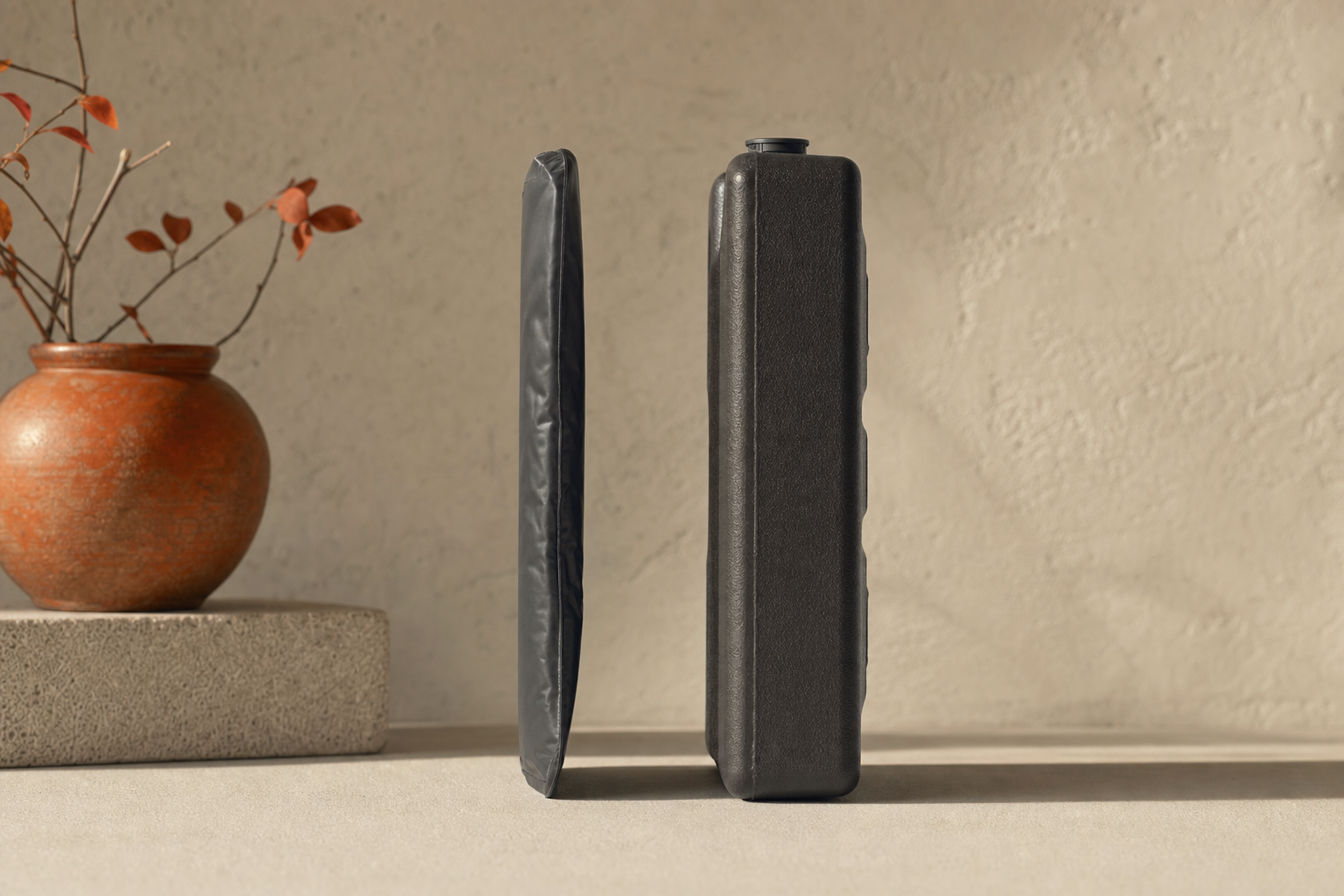
The 239ICE is a 4-pack of reusable slim ice packs sold under the Cool Coolers line by Fit & Fresh. The defining characteristic is the thin, flat profile designed to slide into tight spaces alongside food rather than competing with it for room. The packs are marketed toward lunch boxes, picnics, and compact coolers. Beyond that, specific dimensions, gel composition and freeze time are not published.
Fit & Fresh is a brand with a documented history in the lunch and food-storage category. Their official site is fitandfresh.com, where current product specifications can be confirmed.
Main Job: Does the Slim Profile Actually Help?
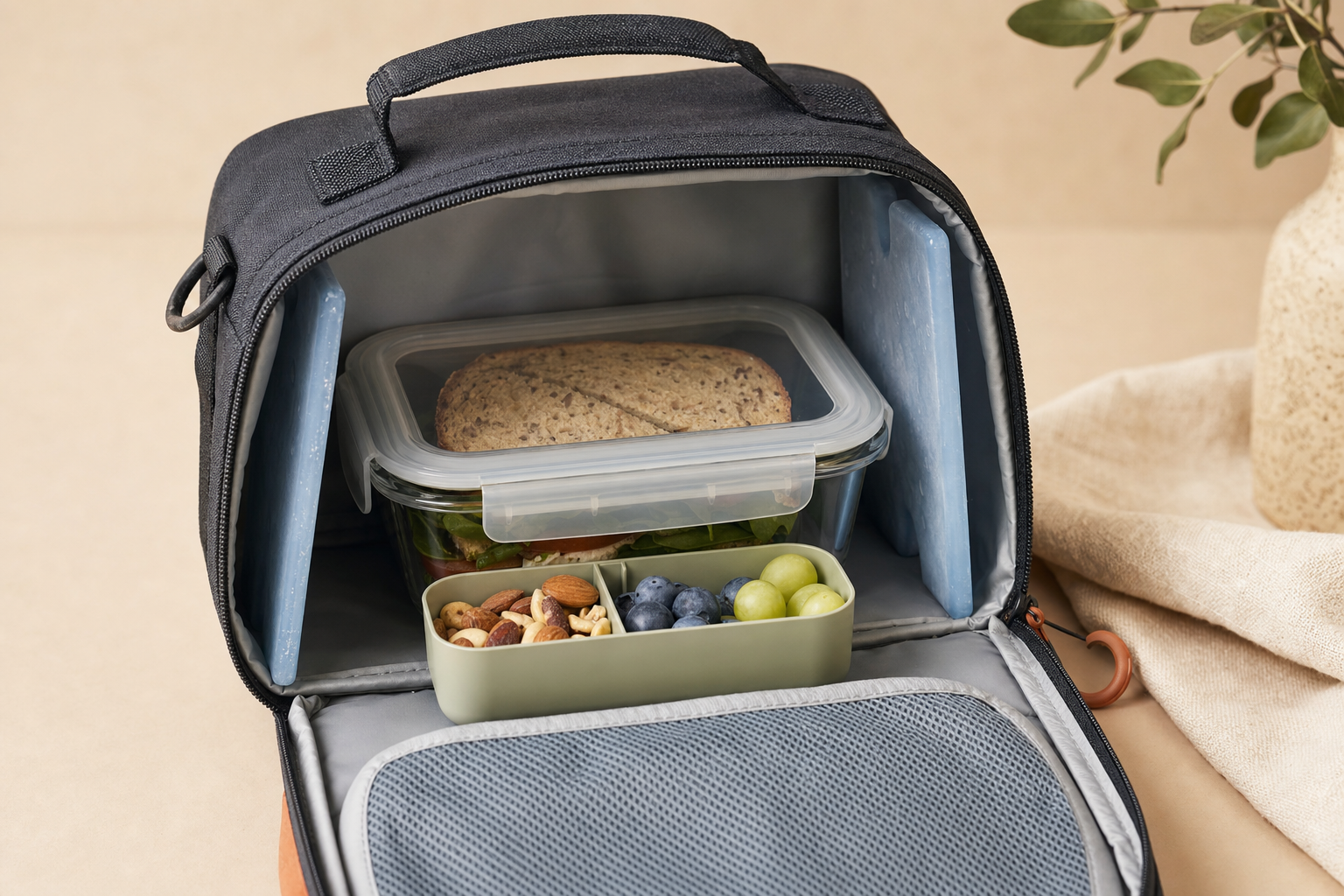
The core promise here is space efficiency. A standard reusable ice pack — the kind shaped like a brick — works fine in a large cooler but creates a real problem in a soft lunch bag. It either sits on top of food, compresses it, or takes up so much volume that you end up with less room for the actual meal. Slim packs are designed to lie flat against the interior wall of a bag or slide between a container and the bag lining.
That is a genuine use-case, not a marketing invention. Anyone who has packed a child’s school lunch or tried to keep a salad cold in a commuter tote has run into this problem. The question is whether the slim format compromises cooling performance enough to matter.
The honest answer is: yes, it does, and that is an acceptable tradeoff for the right use case. A thinner pack holds less cooling mass. Physics does not negotiate. A slim pack will not keep food cold as long as a thicker pack of equivalent surface area. For a two-to-four-hour window — a school lunch, a work commute, a short picnic — that tradeoff is usually fine. For a full-day outing in warm weather, it is not.
Strengths
- Slim profile solves a real problem. In soft-sided lunch bags and bento totes, thickness is the enemy. A flat pack that lines the interior wall keeps food accessible and does not crush containers.
- Four packs in one set. Having four means you can rotate them — keep two frozen while two are in use — without running out. For a household with multiple lunch packers, this matters.
- Reusable format. Reusable packs reduce the ongoing cost and waste of single-use alternatives. The upfront cost is the main expense.
- Compact cooler compatibility. Slim packs can be layered around food in a small soft cooler in a way that thicker packs cannot, improving contact and coverage without wasting space.
- Low setup friction. Freeze them, use them, rinse if needed, refreeze. There is no complicated preparation.
Weaknesses and Tradeoffs
- Limited cooling duration by design. The slim profile means less thermal mass. No cold-hold duration is published, but expect a shorter window than a thicker pack. Plan accordingly.
- Not suited for extended outings. A full-day picnic in summer heat, a beach trip, or any situation requiring more than a few hours of reliable cooling is outside what slim packs are designed to handle well.
- Condensation is likely. As with most gel-based ice packs, surface condensation will occur as the pack warms. In a well-insulated bag this is minor; in a loosely packed tote it can dampen food wrappers. This is a category-wide characteristic, not specific to this product.
- Hard-sided coolers do not benefit much. If you have a roomy hard-sided cooler, the slim format provides no meaningful advantage. You would be better served by larger-format packs with more cooling mass.
Who Should Buy This
The clearest buyer is someone packing a soft-sided lunch bag daily — for themselves, a child, or both. The 4-pack quantity supports a rotation schedule, and the slim format means the packs work with the bag rather than against it. It also suits anyone who packs a compact insulated tote for short outings: a farmers market run, a half-day picnic, a commute with perishables.
Parents packing kids’ school lunches are a particularly good fit. Children’s lunch boxes are small, and a standard ice pack can take up a disproportionate amount of space. A slim pack that lines the lid or a side wall is a practical solution.
Who Should Skip It
If your primary use case is a hard-sided cooler for camping, tailgating, or all-day outdoor events, look at higher-mass reusable packs or block ice alternatives. The slim format offers no advantage there and will underperform on cold duration compared to thicker options.
If you are packing for more than four to five hours in warm conditions, the cooling window of a slim pack is likely insufficient regardless of how well you insulate the bag. The manufacturer publishes no duration figure, but the physics of reduced thermal mass apply universally.
Price and Value
We do not print a price here — check the live listing before purchasing. As a general frame: a 4-pack of reusable slim ice packs at a typical online retail price represents a reasonable cost-per-pack when spread across regular use. The reusable format means the per-use cost drops over time. Whether the price is competitive on any given day depends on the current listing. Check price on Amazon to make that call with live data.
Realistic Alternatives
If you need longer cold duration and have space to spare, look at thicker gel packs in the 400g to 600g range. They will not fit as neatly in a slim lunch bag but will hold temperature longer. If you need maximum cold for a full-day outing, dry ice or block ice in a hard-sided cooler is the appropriate tool — reusable gel packs of any thickness are not designed for that job. If the slim format is right but you want a different brand, we have not evaluated specific competing models — the category has several options and specifications change frequently.
Frequently Asked Questions
Are Cool Coolers by Fit & Fresh XL Slim Ice Packs worth it?
For the specific use case they are designed for — lunch boxes, bento totes, and compact soft coolers — yes. The slim profile solves a genuine space problem, the 4-pack quantity supports daily rotation, and the reusable format keeps ongoing costs low. They are not worth it if you need extended cooling or are using a large hard-sided cooler.
How long do Fit & Fresh XL Slim Ice Packs stay cold?
The manufacturer publishes no cold-hold duration. As a general principle, slim packs hold less thermal mass than thicker packs, so their cooling window is shorter. They are designed for short-to-medium duration use: a school day, a work commute, a short picnic. Plan for roughly two to four hours as a working estimate, but verify with the manufacturer for confirmed figures.
Are these ice packs thin enough for lunch boxes and bento bags?
The slim profile is the product’s primary design feature. They are specifically intended to fit alongside food in tight spaces rather than displacing it. Exact thickness is not published, but the format is designed for this use case.
Do slim ice packs work well in compact coolers?
Yes, with a caveat. In soft-sided compact coolers, slim packs can be layered around food more efficiently than thick packs, improving coverage. In a large hard-sided cooler with room to spare, the slim format provides no advantage and less cooling mass than a thicker alternative.
Are Cool Coolers XL Slim Ice Packs leakproof and reusable?
They are marketed as reusable. Leakproof claims should be verified against the manufacturer’s current product documentation at fitandfresh.com. As with any gel pack, inspect seals periodically with regular use.
How many ice packs do you need for a lunch bag or picnic cooler?
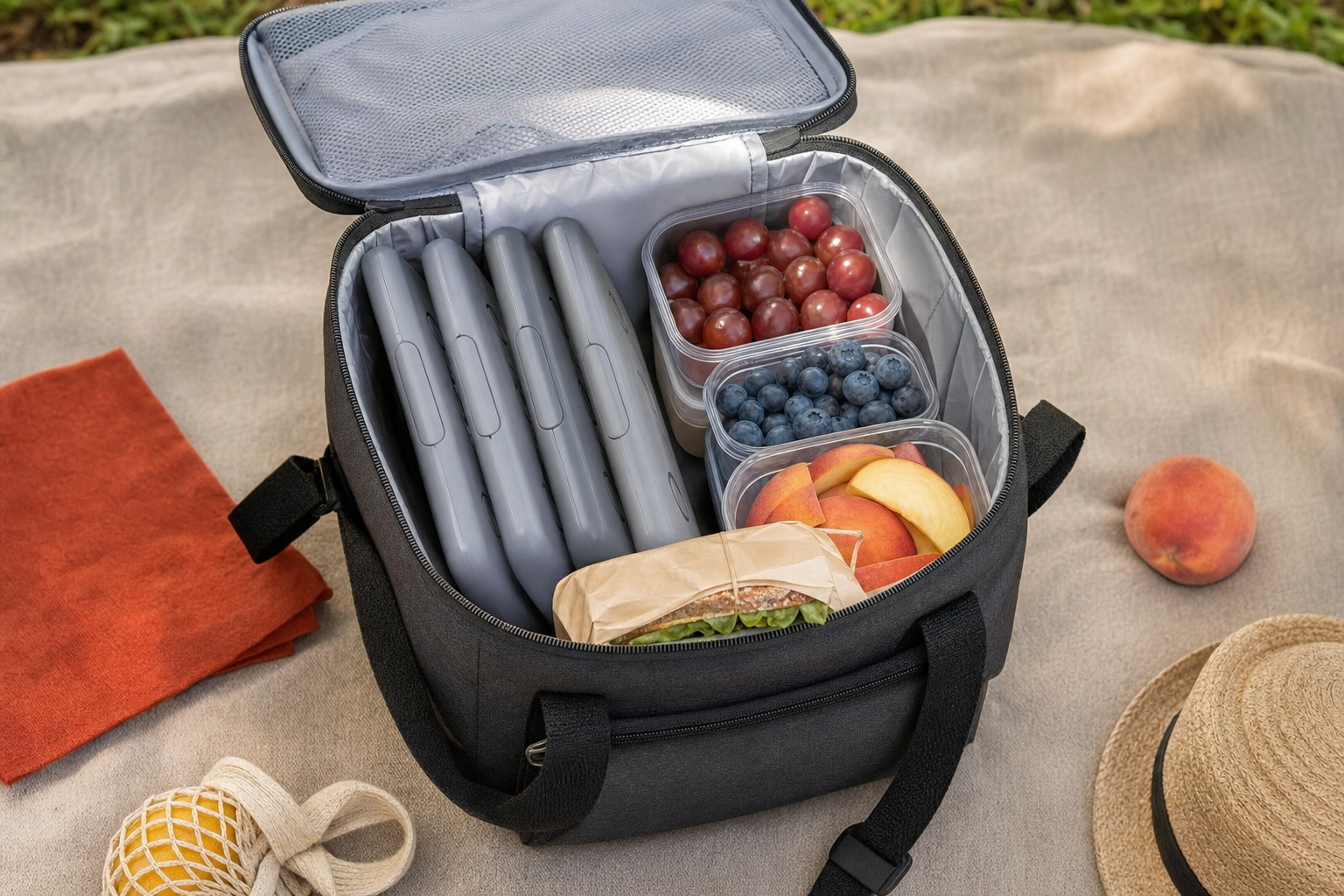
For a standard adult or child lunch bag, one to two slim packs is typically sufficient for a short cooling window. The 4-pack format supports a rotation: two in use, two in the freezer. For a compact picnic cooler, two to three packs lining the interior walls and top is a reasonable starting point depending on bag size and ambient temperature.
Do these fit around food better than thicker ice packs?
That is the core advantage. A slim pack can lie flat against a bag wall or slide between a container and the bag lining without crowding food. A thick pack tends to sit on top of or beside food, taking up usable space. For tight-fitting lunch bags, the slim format is a practical improvement.
Who should skip the Fit & Fresh XL Slim Ice Packs?
Anyone who needs all-day cooling, uses a large hard-sided cooler, or is packing for extended outdoor events in warm weather. The slim format is a space-saving tool, not a high-capacity cooling solution. Buyers with those needs should look at higher-mass reusable packs or block ice.
Final Verdict
The Cool Coolers by Fit & Fresh XL Slim Ice Packs (239ICE) are a practical, well-targeted product for a specific job. If you pack a lunch bag, a kids’ school box, or a compact soft cooler regularly, the slim profile solves a real problem that thicker packs create. The 4-pack quantity is sensible for daily rotation. The tradeoff — less cooling mass, shorter cold window — is inherent to the slim format and should be understood before buying, not discovered after.
This is not the right product for extended outdoor cooling or large coolers. It is the right product for the lunch-bag use case it was designed for.
Next step: If the slim-pack format fits your use case, check price on Amazon and confirm it works for your budget before purchasing.