Skip to content
Quick Answer
Research summary
In this RESEARCH-BASED REVIEW, the Ryzen 7 5800X3D makes the most sense for one specific buyer: someone who already owns an AM4 system and wants a stronger gaming endpoint without rebuilding the whole PC. That is the core decision. If you are staying on AM4, this chip is still easy to understand. If you are building from scratch, the case gets much weaker.
The 5800X3D still gets attention because AMD’s 3D V-Cache design gave it unusually long gaming relevance, especially for buyers trying to reduce a 1080p CPU bottleneck or improve frame-time consistency without changing motherboard and DDR4 memory. But age matters too. A last-generation CPU can be smart as an upgrade and less smart as a fresh-platform purchase.
The Product Shortlist may earn a commission from qualifying purchases. This does not affect our verdict.
- Best fit: Existing AM4 owners looking for a final gaming-focused CPU upgrade.
- Less compelling for: New builders choosing between AM4 and AM5 from zero.
- Main reason to buy: It can extend the life of an AM4 and DDR4 setup rather than forcing a platform change.
- Main reason to hesitate: Its value depends heavily on what you already own and whether a cheaper AM4 option would get you close enough.
Most buyers searching for an AMD Ryzen 7 5800X3D review are not asking whether it was good at launch. They are asking whether it still deserves money now. That means the answer should be about context, not nostalgia.
The useful way to frame this chip is simple: the 5800X3D is not mainly a ‘best CPU’ story anymore. It is an AM4 upgrade decision. If you already have a compatible AM4 board and DDR4 memory, it can still be a rational gaming-first move. If you need to buy into the platform from scratch, newer paths usually deserve a harder look.
What this CPU is really buying you
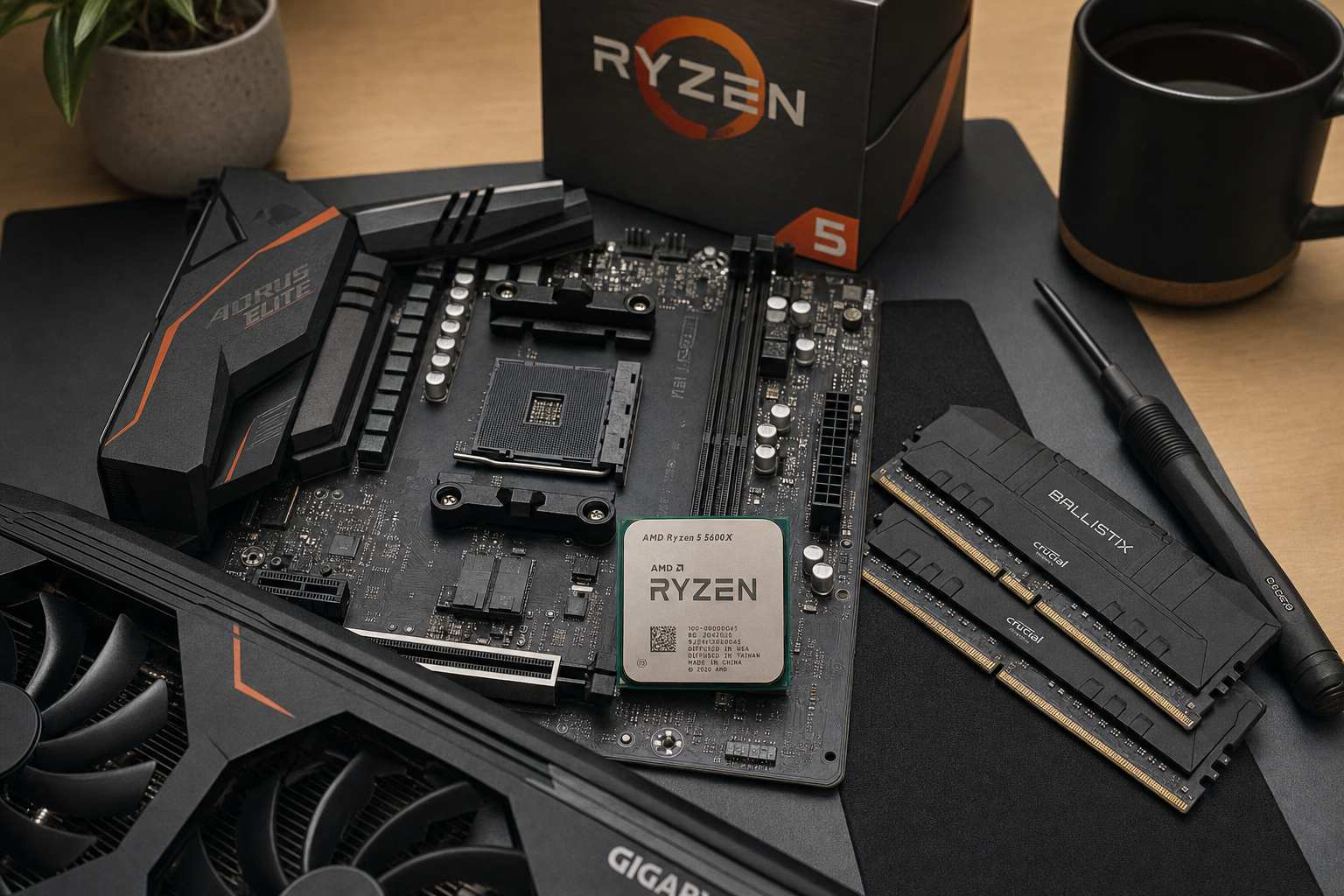
The strongest argument for the Ryzen 7 5800X3D is platform reuse. In plain English, it can let an existing AM4 owner keep the motherboard and DDR4 memory they already have while moving to one of the better-known gaming-focused chips on that socket.
That matters because platform costs are often the real cost. A CPU swap inside an existing system is a different financial decision from replacing the board, memory, and possibly cooler planning around a new build. Even without quoting changing street prices, the logic is clear: reusing working parts can make an older high-interest gaming CPU far easier to justify.
The buyer appeal also lines up with how gaming CPU upgrades work in practice. CPU differences tend to matter most when you are chasing higher frame rates, smoother frame times, or trying to reduce a CPU bottleneck at lower resolutions or with a faster graphics card. At 1440p, the GPU often has more say, so the value case depends more on the rest of your system and your target games.
Best for
- Existing AM4 owners who want a final, gaming-focused upgrade path.
- Buyers coming from older Ryzen chips and trying to extend the life of a DDR4-based setup.
- Used-parts shoppers who understand that older platform value only works if the total build cost stays sensible.
If your question is is the Ryzen 7 5800X3D worth it, the clearest yes is for the person who already has an AM4 PC and wants to improve gaming without restarting the entire build plan.
Avoid if
- You are building a new PC from scratch. In that case, you should compare the full platform cost and future upgrade path of AM4 versus AM5, not just the CPU name.
- You are mainly buying for productivity or creator-heavy work. This article’s evidence set is strongest around gaming-buyer intent, not broad workstation superiority claims.
- You are choosing between this and a cheaper AM4 option purely on value. That is where the 5700X3D question becomes important.
This is the biggest gap on many ranking pages: they say the 5800X3D is ‘still good’ without separating good upgrade from good new-build purchase. Those are not the same answer.
What to verify before you buy
1) Motherboard and BIOS support
If you are considering a Ryzen 7 5800X3D AM4 upgrade, compatibility is the first thing to verify. AMD socket support does not automatically mean your specific board is ready today. You should confirm support through AMD documentation and your motherboard maker’s CPU support list and BIOS notes before ordering.
2) Cooling expectations
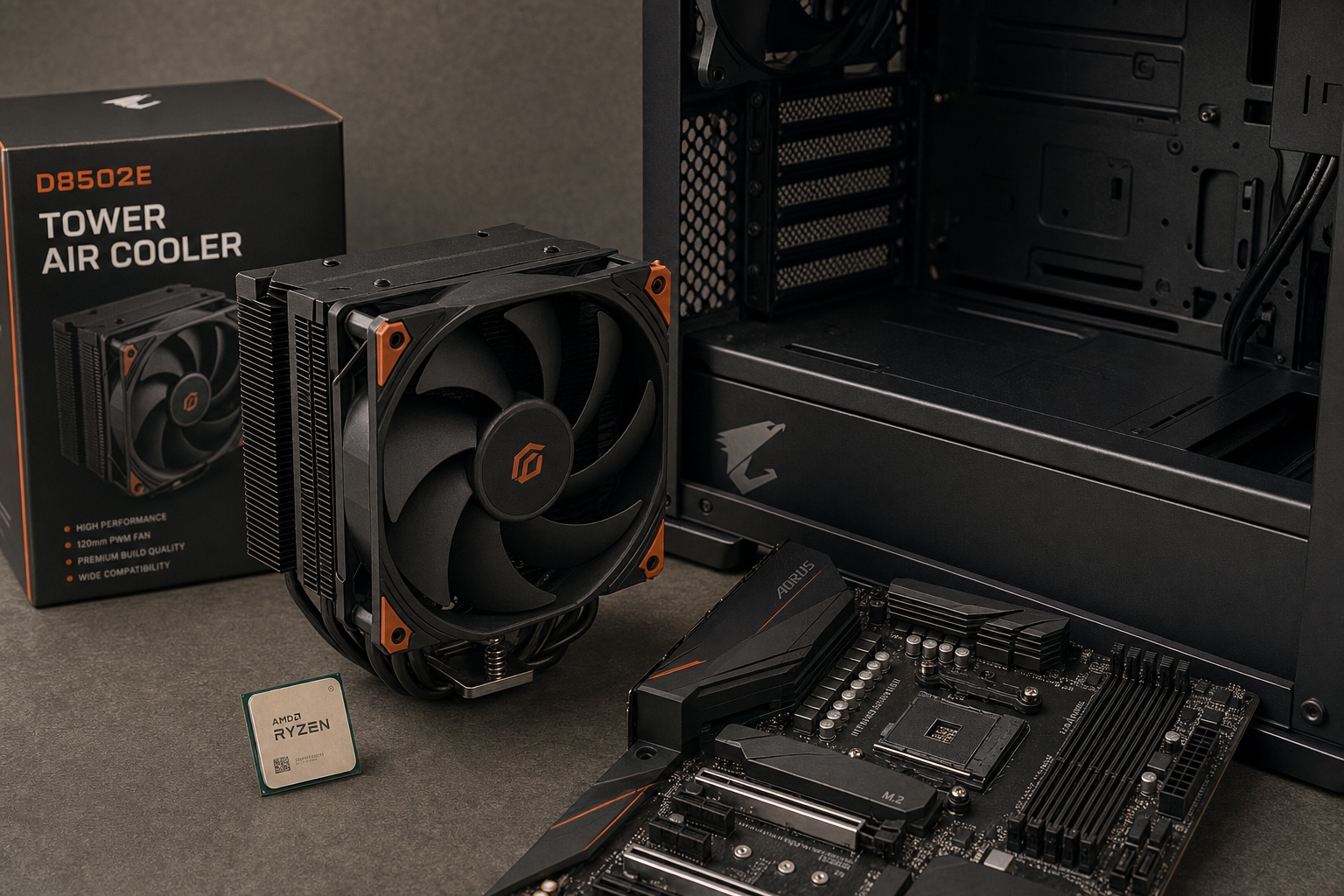
Search interest around Ryzen 7 5800X3D thermals and power is understandable, but readers should be careful with blanket claims. Cooling needs depend on your case airflow, ambient conditions, cooler quality, and motherboard behavior. The safe takeaway is that you should not treat this like a throwaway low-planning upgrade. Make sure your cooler and case are appropriate for a performance-oriented desktop CPU.
3) Your real upgrade goal
If you mostly play at 1440p or higher with a midrange GPU, your graphics card may still define much of your experience. If your system is clearly CPU-limited, especially in esports-style or high-frame-rate use, a CPU upgrade can matter more. The 5800X3D story is strongest when it solves an actual bottleneck, not when it is bought on reputation alone.
5800X3D vs the decisions buyers actually face
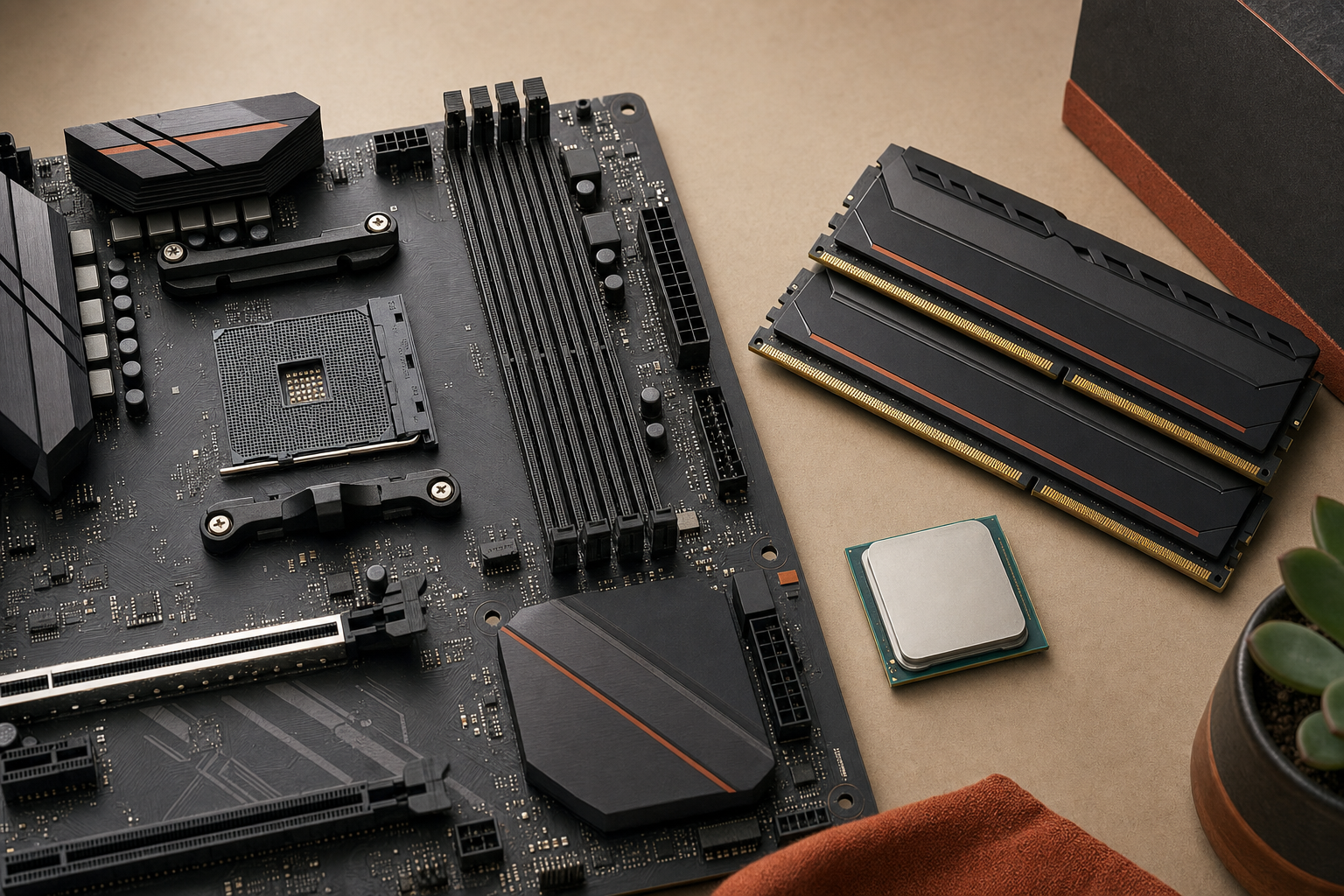
Ryzen 7 5800X3D vs 5700X3D
This is one of the most important comparisons, because it is usually a value question, not a prestige question. The 5800X3D often gets treated as the default ‘best AM4 gaming chip’ choice, but that does not automatically make it the smartest buy. If a cheaper AM4 alternative lands close enough for your needs, the better value may be lower in the stack.
Because this article does not introduce unsourced benchmark numbers, the practical advice is simple: if you are deciding between these two, compare current pricing and current independent testing from transparent reviewers rather than relying on launch-era memory. The closer the price gets, the easier the 5800X3D is to defend. The wider the gap, the more the 5700X3D deserves attention.
Ryzen 7 5800X3D vs 7800X3D or newer AM5 options
This comparison depends on whether you already own AM4 parts. If you do, the 5800X3D can be a cost-control move. If you do not, comparing it with AM5 chips is really a platform decision involving motherboard, memory, and future upgrade flexibility. New builders should be careful not to overvalue the 5800X3D’s reputation while undervaluing the benefits of starting on a newer socket.
That is why this chip works best as an end-of-platform gaming upgrade, not necessarily as the default recommendation for every buyer in 2026-style market conditions.
If you are actively comparing an older AM4 path with a newer mainstream CPU, our AMD Ryzen 5 9600X review may help frame the newer-platform side of that decision.
Gaming, thermals, and power: what matters here
The reason buyers still care about Ryzen 7 5800X3D gaming performance is not mystery or hype. Some CPUs keep relevance because they were positioned unusually well for gaming workloads tied to cache behavior and platform maturity. That is the broad reason this chip is still in the conversation long after launch.
What you should not do is turn that broad reputation into unsupported certainty about your own build. Real gaming results depend on the game, resolution, GPU, memory configuration, motherboard behavior, and whether you are CPU-limited in the first place. In other words, this is not a guaranteed transformation for every setup.
On thermals and power, the right takeaway is caution without drama. Buyers should plan for competent cooling, not panic-buy around worst-case forum anecdotes and not assume any random cooler setup is automatically ideal. If your goal is a clean AM4 upgrade, cooling and BIOS support are the two practical checks that matter most.
Bottom Line
The Ryzen 7 5800X3D is still easiest to recommend to buyers who already own AM4 and want a gaming-focused final upgrade. In that role, the logic is straightforward: keep your board, keep your DDR4 memory, and extend the useful life of the platform with a CPU that still has real gaming relevance.
For new builds, the answer is more cautious. The chip may still be appealing, but it stops being a simple CPU choice and becomes a full platform-value question. That is where cheaper AM4 alternatives and newer AM5 options can make more sense.
If you fit the first group and have already confirmed motherboard BIOS support, this is the next step: Check the current price.
Staying on AM4? Our ASUS ROG Strix B550-F Gaming WiFi II review covers a motherboard for that platform.
FAQ
Is the AMD Ryzen 7 5800X3D still worth buying?
Yes, mainly for buyers who already own an AM4 system and want a gaming-focused upgrade without replacing motherboard and DDR4 memory. It is less automatically appealing for a brand-new build.
Is the Ryzen 7 5800X3D good for gaming in 2025 and beyond?
It remains relevant for gaming discussions because of its position within the AM4 platform and the ongoing interest in AMD’s 3D V-Cache approach. Whether it is good for your setup depends on your GPU, target resolution, and whether your current system is actually CPU-limited.
Should I upgrade from a Ryzen 5 3600 or 5600 to the 5800X3D?
If you already have AM4 and want a stronger gaming endpoint, that can be a reasonable path. The smarter move depends on your current bottleneck, your motherboard support, and whether a lower-cost AM4 option would get close enough for less.
Is the 5800X3D better than the 5700X3D?
That question is usually about value, not just ranking. The 5800X3D can be easier to justify when the price gap is small. If the gap is wide, the 5700X3D deserves serious comparison using current independent testing and current retailer pricing.
Is the 5800X3D worth it for a new PC build?
Usually only after a careful platform comparison. For a new build, you should weigh AM4 versus AM5 as a complete motherboard-and-memory decision, not treat the CPU in isolation.
Does the 5800X3D need a BIOS update?
It may, depending on your motherboard and current BIOS version. Always verify support with AMD documentation and your motherboard vendor’s CPU support page before buying or installing.
What motherboard works with the 5800X3D?
It is an AM4 CPU, but compatibility should be checked at the specific board level through official vendor support lists and BIOS notes rather than assumed from socket name alone.
Does the 5800X3D run hot?
Thermal behavior depends on the cooler, case airflow, ambient conditions, and motherboard settings. The safe buying advice is to plan for competent cooling rather than assume any basic setup is ideal.
Do you need liquid cooling for the 5800X3D?
Not necessarily, based on the evidence available here. What matters is having an appropriate cooling solution for a performance desktop CPU and verifying fit and airflow in your case.
Is the 5800X3D good for streaming and productivity?
This review is centered on gaming-buying intent. If your workload is broader than gaming, you should compare independent testing that includes your actual apps rather than assume gaming reputation translates perfectly to every productivity task.
What GPU pairs well with the 5800X3D?
There is no single best answer without knowing your resolution and performance target. Buyers focused on high-frame-rate gaming or reducing a CPU bottleneck will usually care more about CPU pairing than buyers already limited by their GPU at higher resolutions.
Is AM4 still a smart platform for gaming?
It can be, especially for upgraders reusing existing parts. It is a more complicated recommendation for new builders, where future platform flexibility matters more.