Skip to content
Quick Answer
Research summary
The AMD Ryzen 7 9800X3D is most likely worth considering if your main goal is getting one of AMD’s top gaming-focused AM5 CPUs and you’re willing to pay for that priority. For buyers building around high-refresh gaming, especially when trying to avoid CPU limits at lower resolutions or with powerful graphics cards, the 3D V-Cache positioning makes it the kind of part that belongs on a serious shortlist.
It is less clearly worth it if your build budget is tight, your gaming is mostly at 1440p or 4K with a GPU bottleneck, or your workload is mixed enough that total platform cost matters more than chasing the best gaming-first option. This is a RESEARCH-BASED REVIEW, so the decision here is built on AMD platform documentation, the role of X3D chips in AMD’s lineup, and the buyer tradeoffs that matter most rather than on claimed first-hand testing.
The Product Shortlist may earn a commission from qualifying purchases. This does not affect our verdict.
If you’re searching for an AMD Ryzen 7 9800X3D review, the key question is not whether it is a high-end chip in the abstract. It is whether its gaming-first design makes sense for your build once you factor in AM5 platform cost, motherboard support, cooler planning, and the fact that not every gaming setup is equally CPU-limited.
That is where many launch-style reviews become less useful. Buyers usually need a simpler answer: buy it if you want to prioritize gaming above all else on AM5; skip it if a lower-cost CPU would leave your actual experience basically unchanged.
What the Ryzen 7 9800X3D is really for
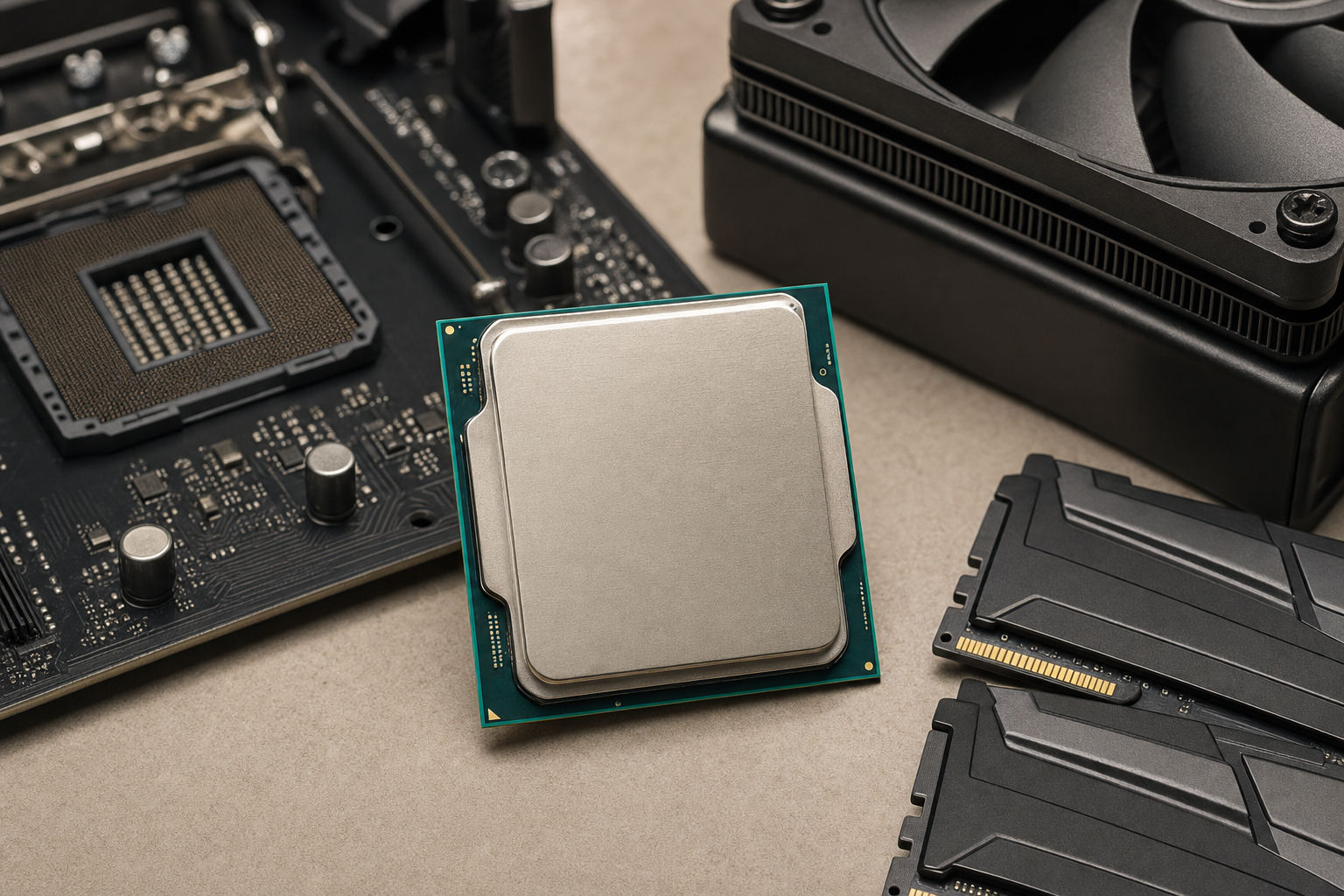
Based on AMD’s naming and the established role of X3D models in the stack, the Ryzen 7 9800X3D is aimed primarily at gaming buyers who want top-tier CPU-side frame rate performance rather than the cheapest route into AM5 or the broadest productivity value.
That matters because a CPU like this tends to make the most sense in a build where the processor is part of the reason you’re buying the system. If you’re pairing it with a strong GPU, targeting high refresh rates, or trying to maximize 1% lows and reduce CPU bottlenecks, the logic is straightforward. If your real goal is a balanced PC for gaming plus general work, then the extra spend can become harder to justify without clear evidence that your workload benefits.
In other words, the Ryzen 7 9800X3D for gaming is an easier recommendation than the Ryzen 7 9800X3D for mixed-value builds.
Worth it if / not worth it if
Worth it if:
- You are building or upgrading on the AM5 platform and want a gaming-first CPU.
- You care more about top gaming performance than about squeezing every dollar of value from the build.
- You play at settings where CPU limits still matter, such as competitive or high-refresh scenarios.
- You want an AM5 system with a stronger long-term enthusiast position than lower-tier alternatives.
Probably not worth it if:
- You mostly play at GPU-limited settings where the processor is less likely to change the experience materially.
- You are choosing between this and a cheaper CPU that would free budget for a better graphics card.
- Your use is heavily productivity-first and the gaming premium is your main reason for paying more.
- You are expecting a simple drop-in upgrade without checking motherboard BIOS support and cooling requirements first.
How to think about the main alternatives
The most useful buying decision is not against every CPU on the market. It is against the smaller group you are realistically likely to compare.
| Alternative | Better choice when | Why you might still choose the 9800X3D |
|---|---|---|
| Ryzen 7 7700X | You want a more balanced AM5 buy and do not need the gaming-first premium. | You are intentionally shopping for AMD’s stronger gaming-oriented 8-core option. |
| Ryzen 7 5800X3D | You are staying on AM4 and want to avoid a full platform move. | You are ready to move to AM5 for newer-platform longevity and a current-gen gaming path. |
| Ryzen 5 9600X | You want to cut CPU cost and keep more room in the budget for the rest of the build. | You would rather spend more to prioritize gaming CPU headroom now. |
If you’re weighing AMD’s nearby options, our reviews of the Ryzen 7 7700X, Ryzen 7 5800X3D, and Ryzen 5 9600X are the most relevant next reads because they map to the actual buy-or-skip choices most people face.
The Ryzen 7 9800X3D vs 7800X3D question is also important, but it requires current, well-matched benchmark data from multiple independent outlets before making strong percentage claims. Without locking in time-sensitive performance deltas here, the practical takeaway is simpler: if the newer model carries a meaningful price premium, buyers should ask whether they are paying for measurable gains they will actually notice in their setup.
Platform, motherboard, and cooling considerations
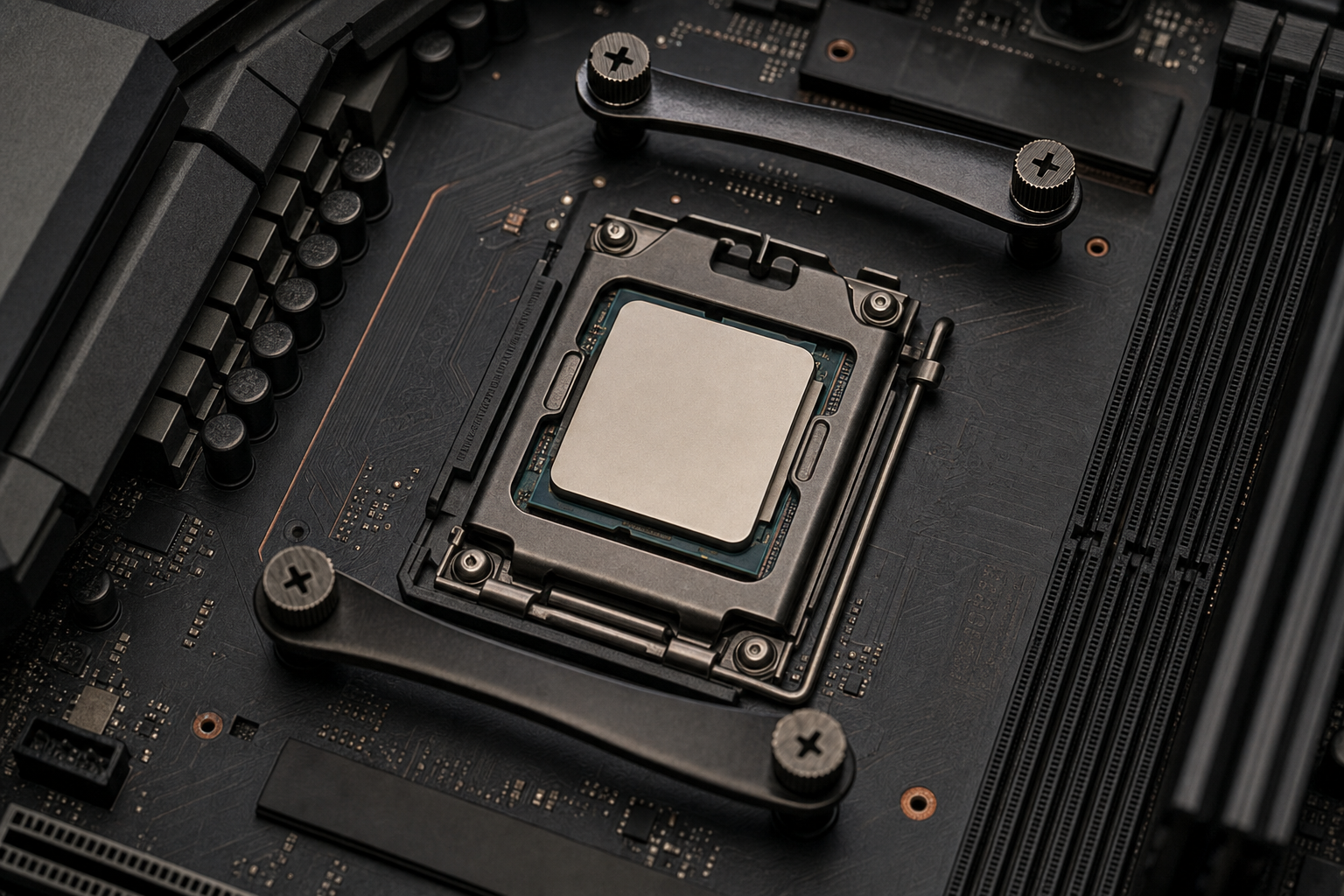
One of the easiest mistakes in a CPU purchase is treating the processor as the whole cost. It is not. With the Ryzen 7 9800X3D, your decision should also include motherboard compatibility, BIOS readiness, DDR5 memory planning, and cooler expectations.
AM5 compatibility
The Ryzen 7 9800X3D belongs in AMD’s current AM5 ecosystem, so this is not the right chip for an AM4 board. If you’re upgrading within AM5, the question is not just physical compatibility but whether your specific board has the required BIOS support from the manufacturer.
Motherboard and BIOS support
Before buying, verify the exact CPU support list and BIOS notes for your motherboard model from the board vendor. This is especially important for early AM5 boards and for anyone reusing an existing system. Support can depend on a specific BIOS version, and that should be confirmed before you assume a painless upgrade.
Cooling expectations
Does the Ryzen 7 9800X3D need a high-end cooler? The safest buyer answer is that you should not treat it like a bargain CPU that can be dropped into any build with no planning. Gaming-focused enthusiast CPUs still deserve deliberate cooler selection, case airflow, and motherboard power delivery consideration. The exact cooling recommendation should be checked against AMD retail documentation and reputable testing at the time you buy.
Research-based limits and what we can say confidently
Because this is a research-based review and the evidence supplied here does not include a verified benchmark set, we are intentionally not publishing fixed claims about Ryzen 7 9800X3D benchmarks, thermals, power draw, or exact leads over nearby CPUs. Those details are real buying factors, but they should come from current, transparent third-party testing and official AMD documentation rather than from guesswork.
What we can say confidently is that the 9800X3D sits in the part of AMD’s stack aimed at buyers who prioritize gaming results and are willing to accept the usual tradeoff: stronger gaming appeal does not automatically make a CPU the best overall value for every build.
That tradeoff becomes even more important at higher resolutions. Is the Ryzen 7 9800X3D overkill for 1440p or 4K gaming? Sometimes, yes. If your games and settings are mainly limited by the graphics card, spending more on the CPU may produce smaller real-world gains than spending the same money elsewhere in the system.
Bottom Line
The AMD Ryzen 7 9800X3D looks most compelling for buyers who already know they want a gaming-first AM5 CPU and are comfortable paying for that priority. It is a less obvious buy for value-focused shoppers, AM4 holdouts, or mixed-use buyers who would benefit more from lowering CPU spend and balancing the rest of the build.
If that sounds like you, the next step is simple: confirm your motherboard support, cooling plan, and the current street price before deciding whether the gaming premium still makes sense.
Weighing AMD’s flagship X3D chip instead? See our AMD Ryzen 9 9950X3D review.
FAQ
Is the AMD Ryzen 7 9800X3D worth it for gaming?
For buyers who want a gaming-first AM5 CPU, yes, that is the strongest case for it. It is a weaker value proposition if your system is mostly GPU-limited or if a cheaper CPU would let you improve the rest of the build.
How much faster is the Ryzen 7 9800X3D than the Ryzen 7 7800X3D?
That needs current benchmark validation from multiple reputable test sources. We are not publishing a fixed percentage here because exact results depend on the test suite, game selection, settings, and whether the system is CPU-limited.
Is the Ryzen 7 9800X3D good for productivity and content creation?
It may still be a capable general high-end CPU, but the clearest buying case is gaming. If productivity value is your main concern, compare it carefully with non-X3D alternatives and look at application-specific testing before paying the gaming premium.
Does the Ryzen 7 9800X3D need a high-end cooler?
You should plan cooling deliberately rather than assuming any basic setup is enough. For exact guidance, check AMD’s official product documentation and current independent thermal testing before buying.
What motherboard do you need for the Ryzen 7 9800X3D?
You need a compatible AM5 motherboard with the right BIOS support for this CPU. Always verify support on the specific board manufacturer’s CPU support page before purchase or installation.
Should you upgrade from the Ryzen 7 5800X3D to the Ryzen 7 9800X3D?
Only if you are comfortable moving from AM4 to AM5 and paying for the broader platform change, not just the CPU. For many buyers, that total-cost question matters more than the processor comparison by itself.
Should you buy the Ryzen 7 9800X3D or the Ryzen 7 7700X?
Choose the 9800X3D if your priority is gaming-first performance and you accept the likely premium. Choose the 7700X if you want a more balanced AM5 buy and are trying to control total build cost.