Skip to content
 400-lb Capacity 16-Level Recumbent Exercise Bike Review: Is It Worth It?
Review type: RESEARCH-BASED REVIEW — based on published specifications, manufacturer documentation, and editorial analysis. No first-hand use is implied.
The W239 recumbent exercise bike is marketed primarily on two numbers: a 400-pound weight capacity and 16 resistance levels. Both sound reassuring on a product page. But headline specs rarely tell you whether a bike is actually comfortable to sit on for 30 minutes, stable enough for a heavier rider pushing through resistance, or quiet enough for a shared living space. This review translates those numbers into practical buyer decisions.
If you are a heavier adult, a beginner, a senior, or someone recovering from joint stress who wants low-impact indoor cardio, this is the category of bike you should be looking at. Whether this specific model earns your money is what we are here to work out.
Quick Answer
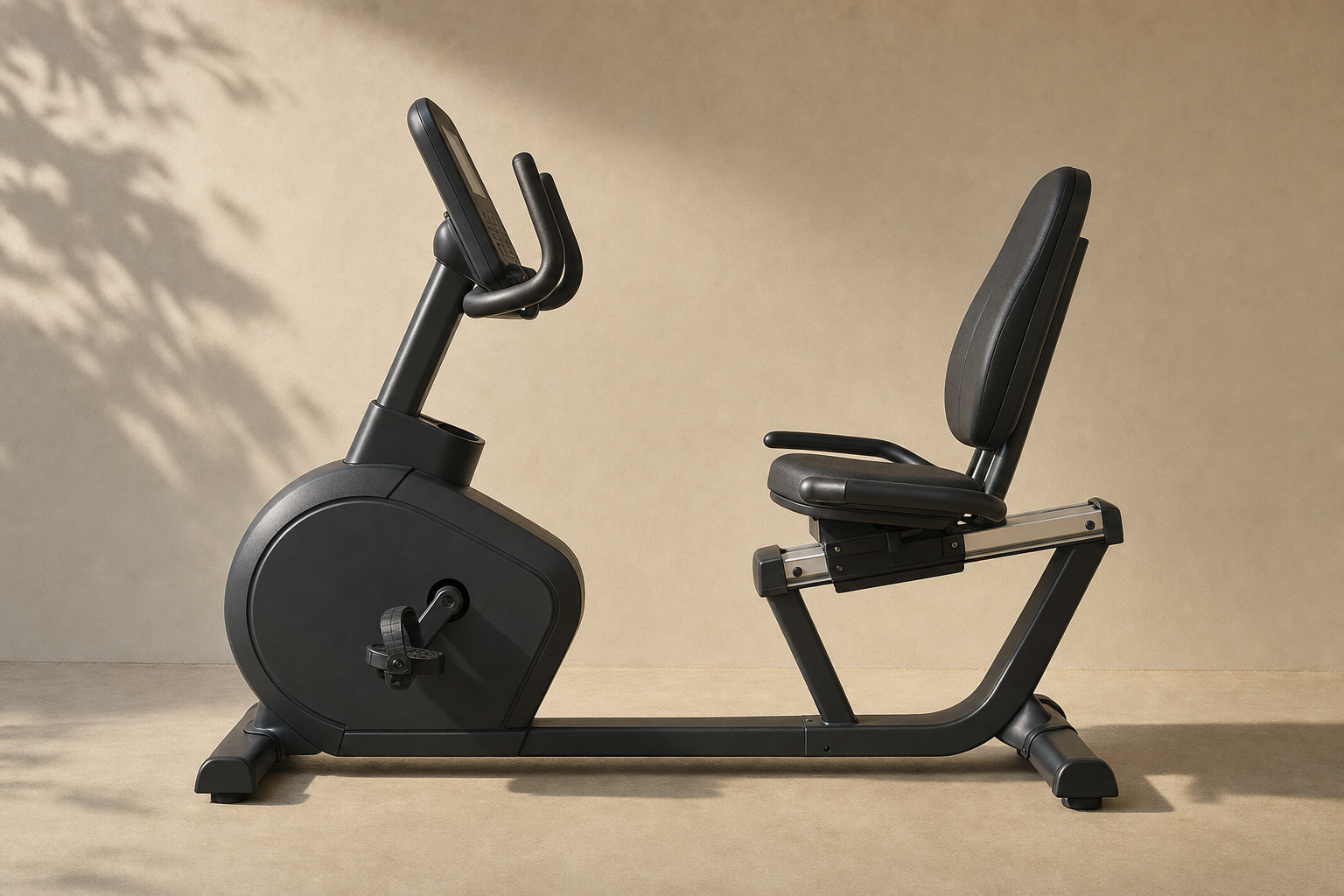
The W239 is a reasonable choice for home cardio users who need a higher weight capacity than most entry-level recumbent bikes offer, want a step-through frame for easy mounting, and plan to use low-to-moderate resistance for daily or near-daily sessions. It is not the right bike for anyone who wants a challenging aerobic workout at the upper end of the resistance range, or who needs a compact footprint. Check price on Amazon before deciding whether the value holds at today’s listing.
Best For
- Riders between roughly 250 and 400 pounds who find standard recumbent bikes feel unstable or undersized
- Beginners and seniors who want a low-impact, joint-friendly cardio option with a predictable resistance progression
- Households where the bike will be used at low-to-moderate intensity most of the time
- Anyone who values a step-through design for easier on/off access
Avoid If
- You are a conditioned cyclist or regular cardio user who needs genuinely challenging resistance at the top levels
- Your space is tight — recumbent bikes have a longer footprint than upright bikes and this model is not foldable
- You want detailed workout data, heart rate monitoring, or app connectivity beyond basic display metrics
- You are under the typical weight range and budget allows a more feature-rich model
What the Specs Actually Mean for Buyers
The 400-lb Capacity: Stability, Not Just a Number
A higher weight capacity on a recumbent bike usually signals a heavier, wider frame with a lower center of gravity and more robust welds. For riders well under the limit — say, 180 to 250 pounds — that extra structural margin translates into a bike that feels planted rather than wobbly during pedaling. For riders closer to the stated limit, it means the frame is engineered to handle that load rather than being rated optimistically. That said, weight capacity alone does not guarantee seat comfort, pedal alignment, or crank smoothness. Those depend on design choices the spec sheet does not always reveal. We have found no independent load-testing data for this specific frame.
16 Resistance Levels: Useful Range or Marketing Math?
Sixteen levels sounds like a wide range. In practice, the meaningful question is how much real-world difference exists between level 1 and level 16, and how evenly the steps are spaced. On many home recumbent bikes in this price tier, the lower half of the resistance range covers most of what beginners and moderate users will ever use, while the upper levels exist mainly to extend the product’s appeal on paper. For a senior or beginner, having 16 levels means fine-grained progression without large jumps — that is genuinely useful. For a fit adult wanting a hard workout, the top resistance on a home recumbent in this category is unlikely to replicate a gym-grade machine. No torque or watt output data is published for the individual resistance levels.
Step-Through Frame
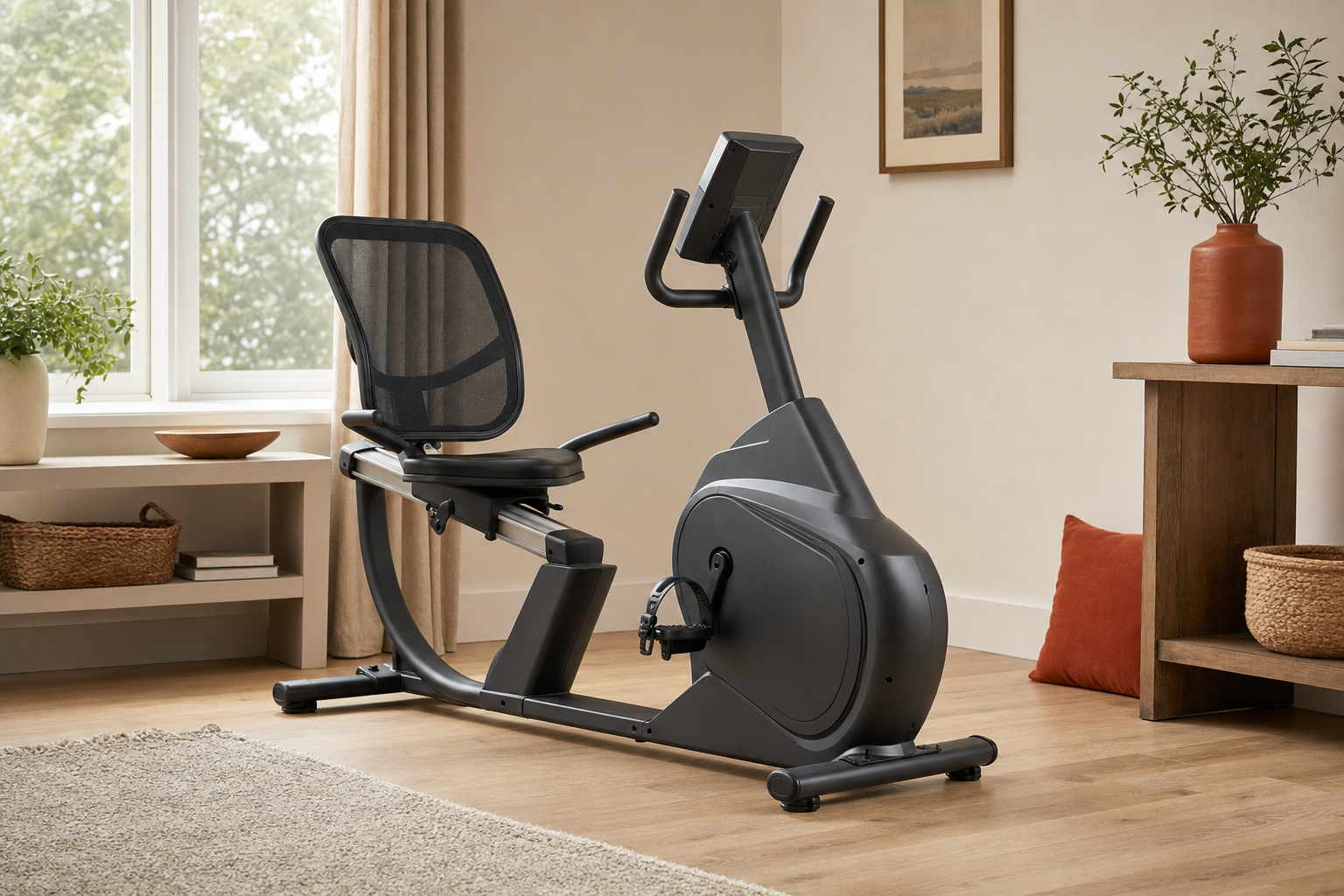
Recumbent bikes with a step-through design — where you do not have to swing a leg over a high frame — matter more than they might seem. For older adults, anyone with hip or knee limitations, or heavier riders who find high-step mounting awkward, this is a practical safety and comfort feature, not a cosmetic one.
Seat and Backrest
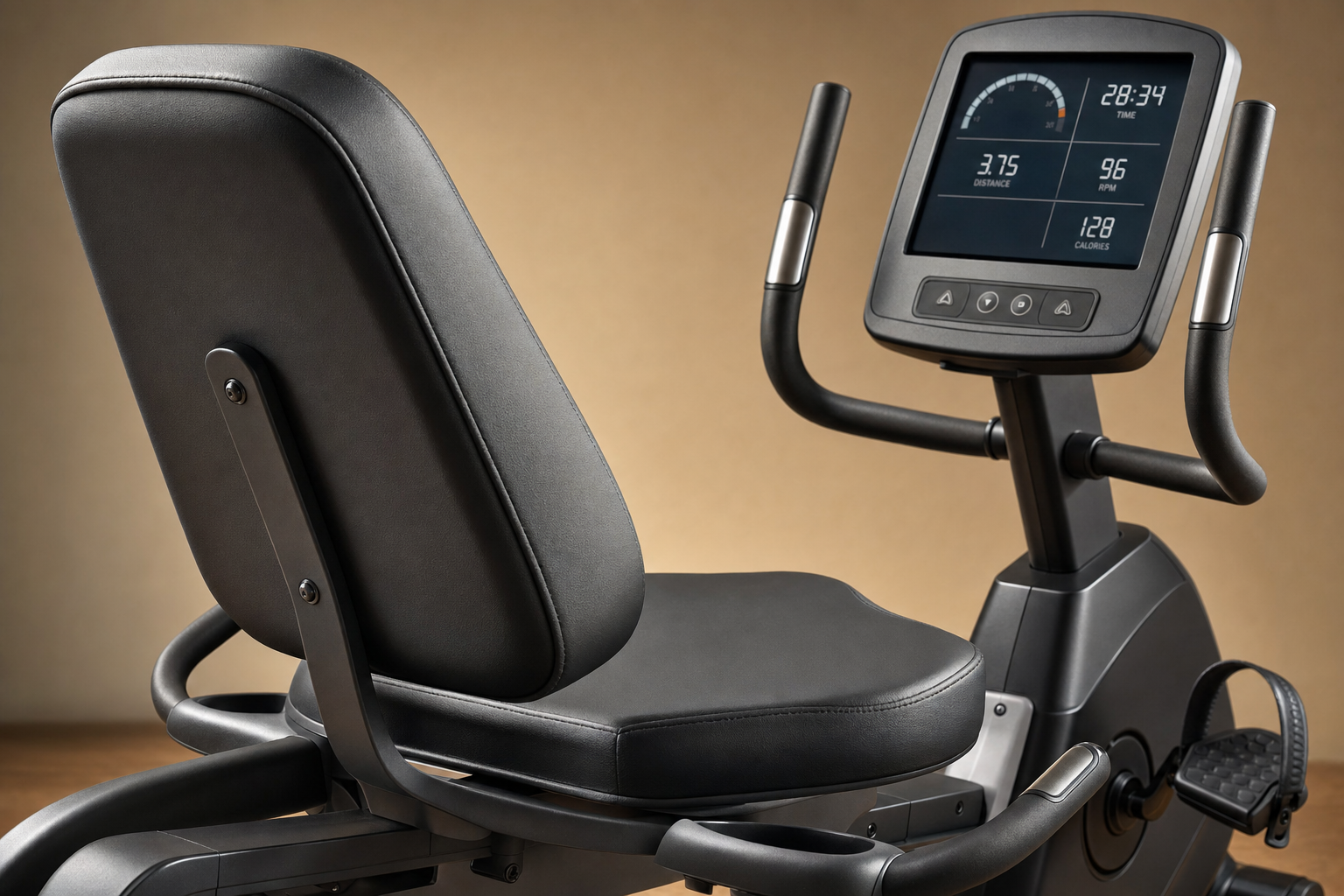
Recumbent bikes live or die on seat comfort. The reclined position distributes weight across the seat and backrest rather than concentrating it on a narrow saddle, which is why the format suits joint-sensitive users. Whether the W239’s specific seat padding and lumbar support hold up over 30-to-45-minute sessions is a detail that published specs do not resolve. Seat dimensions and padding depth are not published.
Strengths
- Higher weight capacity than most entry-level recumbent bikes. Many comparable home recumbent bikes are rated to 300 pounds. The 400-pound rating gives heavier riders a more appropriate structural margin.
- 16 resistance levels suit gradual progression. For beginners building a habit, having small, manageable steps between levels reduces the risk of jumping too hard too fast.
- Recumbent format is inherently joint-friendly. The reclined seat position reduces stress on the lower back, hips, and knees compared to upright bikes — a real advantage for the target audience.
- Step-through access. Easier and safer to mount and dismount than a standard frame, particularly relevant for older or less mobile users.
- Home use footprint. While not compact, a recumbent bike stays in one place and does not require balance or coordination, making it more accessible than a treadmill or rowing machine for many users.
Weaknesses
- Resistance ceiling is unlikely to challenge fit users. If you already exercise regularly and want to push your cardiovascular limits, this category of home recumbent bike will probably feel insufficient within a few months.
- Display and connectivity are basic. Expect time, speed, distance, and calories. Do not expect Bluetooth, app integration, or structured workout programs. The exact display metrics are not listed.
- Seat comfort over long sessions is unverified. Manufacturer descriptions are not a substitute for knowing how the padding holds up at 45 minutes. This is the single most important unknown for buyers who plan extended sessions.
- Assembly is required and may be involved. Recumbent bikes in this weight class typically arrive in multiple pieces. Assembly time and tool requirements for the W239 are not stated.
- Noise level is unconfirmed. Magnetic resistance systems are generally quieter than friction-based ones, but whether this specific flywheel and drive system is apartment-friendly is not something we can confirm.
Setup and Daily Friction
Recumbent bikes in this weight class are not light. Expect the box to be heavy and assembly to take at least an hour, possibly more if you are working alone. Most home recumbent bikes at this capacity require attaching the seat rail, pedal cranks, handlebars, and console. Having a second person present for assembly is practical advice, not a warning — it simply makes positioning large frame sections easier.
Once assembled, daily use friction is low. You sit down, adjust the seat slider to fit your leg length, set resistance, and pedal. There are no complex adjustments. That simplicity is part of the format’s appeal for its target audience.
Rider height compatibility is worth checking before purchase. Recumbent bikes fit a range of inseam lengths, but very tall riders (above roughly 6’4”) or very short riders may find the seat-to-pedal distance does not adjust far enough. The W239’s seat rail adjustment range and compatible rider height range are not published.
Price and Value
Recumbent bikes with a 400-pound capacity are a smaller category than standard-capacity models, which gives the W239 less direct competition at the same spec level. Entry-level recumbent bikes rated to 300 pounds typically cost less; heavy-duty commercial-grade recumbent bikes cost significantly more. The W239 sits in the middle ground: more robust than the cheapest options, less featured than gym-grade equipment.
Whether the price is fair depends on what you are comparing it to. If the alternative is a 300-pound-rated bike that feels unstable at your weight, the W239’s capacity margin has real value. If you are a lighter rider choosing between this and a more feature-rich standard-capacity bike, the capacity advantage is less relevant and you may get more for your money elsewhere.
Check price on Amazon to see where it sits today relative to comparable models.
Realistic Alternatives
| Consideration | W239 (This Bike) | Standard 300-lb Recumbent | Commercial-Grade Recumbent |
|---|---|---|---|
| Weight capacity | 400 lb | Typically 250–300 lb | 350–500 lb |
| Resistance levels | 16 | 8–16 (varies) | 20–25+ |
| Connectivity | Basic display (metrics not published) | Basic display | Often app-connected |
| Price tier | Mid-range | Entry to mid | High |
| Best for | Heavier home users, beginners, seniors | Average-weight beginners | Serious cardio users, gyms |
If your weight is comfortably under 300 pounds and you want more workout data or structured programs, a standard-capacity recumbent bike with Bluetooth connectivity may serve you better. If you are a serious cardio user who wants progressive challenge, a commercial-grade machine is worth the higher cost. The W239 is the right call specifically when capacity and accessibility are the primary requirements.
Frequently Asked Questions
Is the 400-lb Capacity 16-Level Recumbent Exercise Bike worth it?
For heavier riders, beginners, and seniors who want low-impact home cardio and need a higher weight capacity than standard models offer, yes — conditionally. If you are a fit, lighter rider who wants a challenging workout or advanced features, there are better options at similar or lower prices.
Who is the W239 recumbent bike best for?
Riders closer to or above the 300-pound limit of standard recumbent bikes, older adults who want easy mounting and joint-friendly pedaling, and beginners building a consistent cardio habit at home.
Is a 400-lb capacity recumbent bike more stable than standard models?
Generally yes. A higher weight rating typically reflects a heavier, more reinforced frame. For riders well under the limit, that extra structural margin usually means a more planted, less flex-prone feel during use. We have found no independent stability testing on the W239 specifically.
How challenging are 16 resistance levels on a recumbent bike?
For beginners and moderate users, 16 levels provides useful, fine-grained progression. For conditioned athletes, the top resistance on a home recumbent in this price tier is unlikely to be genuinely demanding. The upper levels are more useful for gradual progression than for high-intensity training.
Is the W239 good for seniors or beginners?
It is well-suited to both. The recumbent position reduces joint stress, the step-through frame makes mounting easier, and 16 resistance levels allow slow, manageable progression. These are the core reasons the format exists.
Is this recumbent bike comfortable for long sessions?
The recumbent format distributes weight more comfortably than an upright saddle. Whether the W239’s seat padding holds up over 30-to-45-minute sessions is not something we can confirm — and seat comfort is the single most important unverified variable for anyone planning long rides.
How hard is the W239 recumbent bike to assemble?
Assembly is required and the bike is heavy. Expect at least an hour and consider having a second person available. Exact assembly time and tool requirements are not published for this model.
Is the W239 quiet enough for apartment use?
Magnetic resistance systems are generally quieter than friction-based ones. Whether this model is quiet enough for shared walls or floors is not something we can confirm. Check buyer feedback on the retailer listing for noise reports.
What rider height range does this bike fit?
The manufacturer does not publish a rider height range. Check the seat rail adjustment range before buying if you are significantly taller than average (above roughly 6’3”) or shorter than average.
What should you check before buying a recumbent bike for home use?
Weight capacity relative to your weight, seat adjustment range for your height, available floor space (recumbent bikes are long), resistance range relative to your fitness level, display metrics and connectivity needs, and assembly requirements. Noise level matters if you share walls or floors.
Final Verdict
The W239 fills a specific gap: a home recumbent bike with a 400-pound weight capacity, step-through access, and enough resistance levels for gradual beginner-to-moderate progression. For the audience it is designed for — heavier adults, seniors, and beginners who want low-impact, accessible cardio — those are the right priorities. The unknowns around seat comfort over long sessions, noise, and assembly friction are real gaps that this research-based review cannot close without hands-on data.
If the capacity and accessibility features match your situation, it is a reasonable purchase. If they do not, look at standard-capacity bikes with more features for the same money.
Check price on Amazon and read recent buyer reviews specifically for notes on seat comfort and noise — those two factors will determine whether this bike works for your use case.