Skip to content
 Quick Answer
Research summary
This RESEARCH-BASED REVIEW points to a clear fit: the Bambu Lab P1S Combo makes the most sense for makers who print often enough to care about reducing routine friction. The appeal is not just getting an enclosed printer. It is getting an enclosed setup with added automation that can make everyday printing feel more straightforward, especially if you expect to print regularly rather than occasionally.
The main caution is also straightforward. The P1S Combo asks you to accept a higher upfront spend and the tradeoffs that come with a more proprietary ecosystem. If your real goal is simply low-cost entry into 3D printing, or if you only print once in a while, this can be more machine than you need.
The Product Shortlist may earn a commission from qualifying purchases. This does not affect our verdict.
The buyer decision here is less about raw enthusiasm and more about ownership fit. Plenty of 3D printer pages blur together around speed claims, feature lists, or generic praise. The more useful question is whether the Bambu Lab P1S Combo meaningfully reduces the annoying parts of printing enough to justify choosing it over a cheaper open-frame option or a simpler Bambu model.
For the right buyer, the answer can be yes. Its core case is frequent, cleaner everyday use: an enclosure, automation, and the Combo configuration’s AMS-related value can make repeated printing feel less fiddly. But that only matters if you will actually use those conveniences often enough.
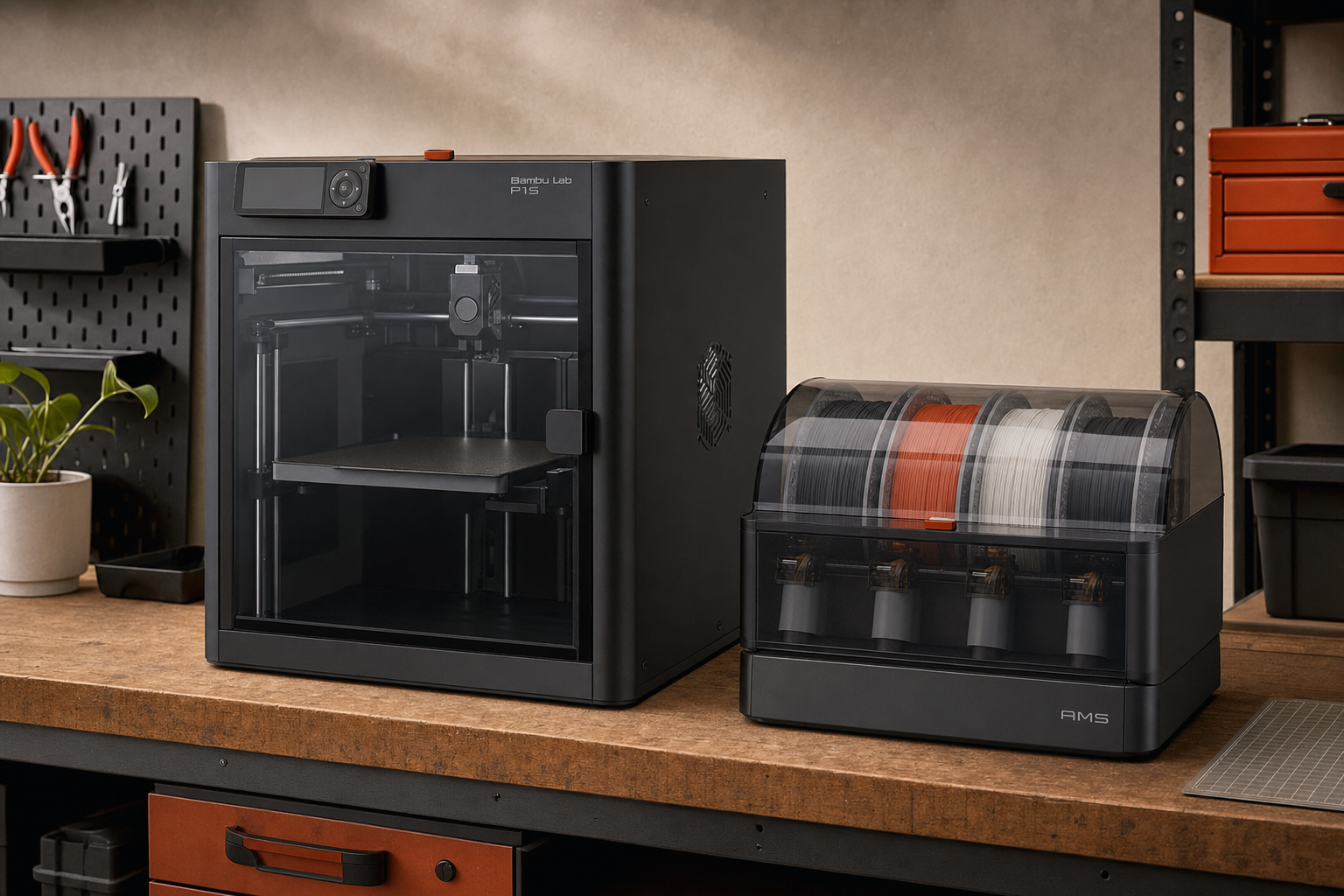
What the P1S Combo is really buying you
The strongest case for the P1S Combo is convenience that compounds over time. According to the supplied brief, its main strength is that the enclosure and automation reduce setup friction for frequent printing. That is the heart of the value proposition, and it is more useful than treating this as just another spec-sheet upgrade.
In practical terms, this means the P1S Combo is best viewed as a machine for people who want an enclosed 3D printer for faster, cleaner everyday printing and who expect to keep returning to it. If you print PLA and PETG regularly, or want an enclosed machine partly because ABS and ASA suitability matters to you, the enclosure-plus-automation argument is much easier to justify than it is for a casual hobby buyer.
The Combo distinction matters too. Many reviews flatten the difference between the base P1S and the P1S Combo, but buyers should separate them. If the AMS material system and the related filament-handling convenience are part of how you expect to use the printer, the Combo may make sense. If not, the premium is harder to defend.
Best fit: who should buy it
- Frequent makers: If you print often, small reductions in setup friction matter more than they look on paper.
- Buyers who specifically want an enclosed printer: The P1S Combo is aimed at people who see enclosure as part of the everyday experience, not as an optional bonus.
- People who value automation over lowest entry cost: If your goal is smoother repeat use, the added convenience may be worth paying for.
- Users considering multi-material or multi-color workflow: The Combo’s extra value depends heavily on whether the AMS side of the package matches your actual habits.
- Buyers stepping up from a simpler machine: If you already know you will print regularly, the P1S Combo can make more sense than buying cheap first and upgrading later.
If that sounds like your use case, this is one of the clearer examples of paying more for reduced friction rather than paying more just to collect features.
Who should skip it
The brief is explicit on this point: avoid it if you only print occasionally and want the lowest possible entry cost. That is the cleanest reason to pass.
- Occasional users: If your printer may sit idle for long stretches, the convenience case weakens fast.
- Price-first beginners: If your main goal is to start printing as cheaply as possible, this is likely overbuying.
- Buyers wary of proprietary ecosystems: The P1S Combo’s main weakness includes proprietary ecosystem tradeoffs, so that concern should not be brushed aside.
If you want a smaller step into the category, a simpler Bambu option may be more sensible. Readers comparing ownership fit rather than just features may also want to look at the Bambu Lab A1 Combo with LED Lamp Kit Review or the Bambu Lab A1 mini with LED Lamp Review if a lighter commitment is more in line with how often you expect to print.
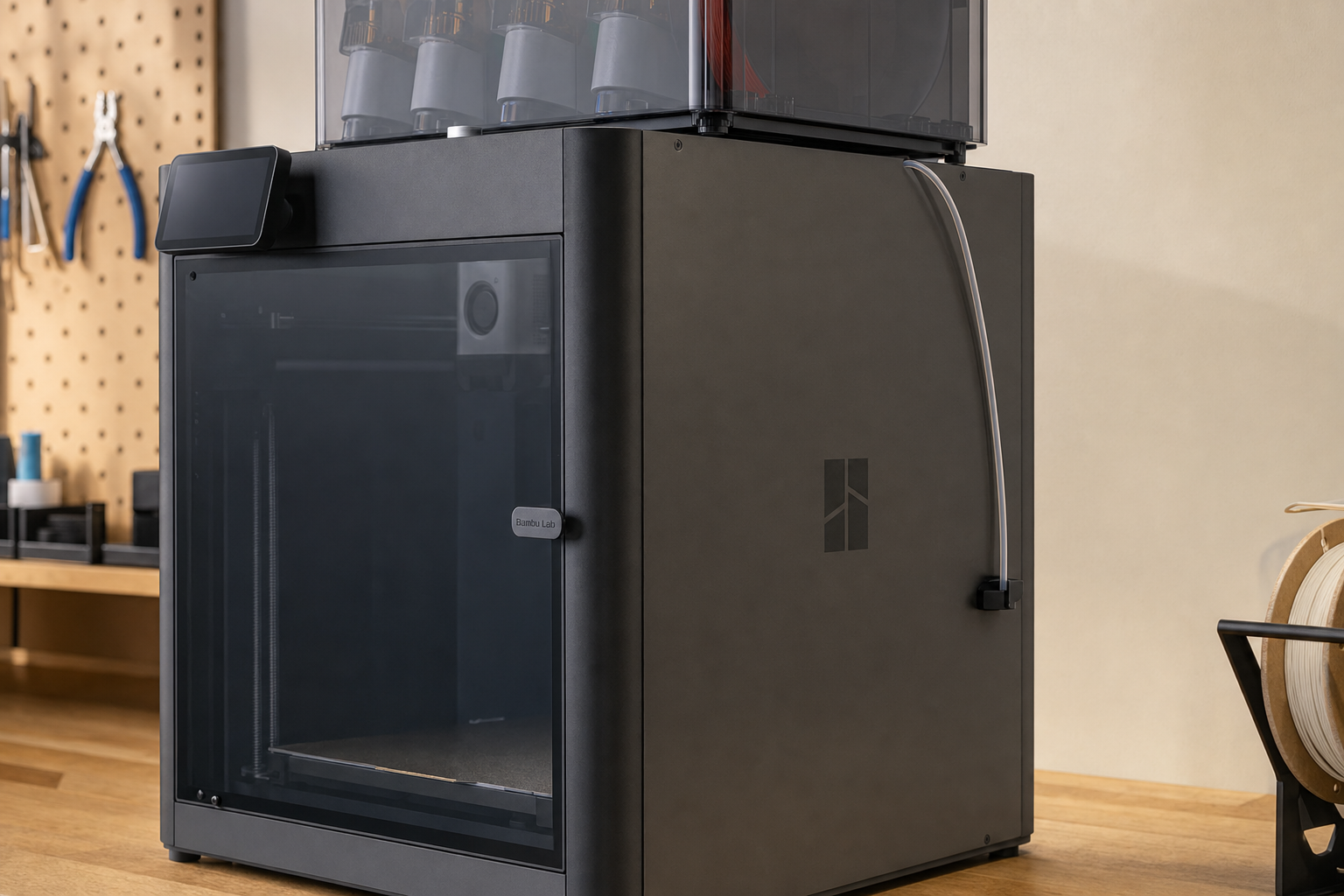
Bambu Lab P1S Combo 3D Printer pros and cons
| Pros | Cons |
|---|---|
| Enclosure and automation are positioned to reduce routine setup friction | Higher cost is a real hurdle for casual or budget-first buyers |
| Stronger fit for frequent everyday printing than for occasional hobby use | Proprietary ecosystem tradeoffs will matter to some buyers |
| Combo configuration can add value when AMS-related convenience matches your habits | Combo premium is harder to justify if you do not expect to use that convenience much |
| Appears well aligned with buyers who want a cleaner, more contained printer setup | Easy to overbuy if you mainly want a basic first printer |
That list sums up the decision better than inflated claims do. The Bambu Lab P1S Combo 3D Printer pros and cons are less about whether it is impressive in the abstract and more about whether your print frequency makes convenience worth paying for.
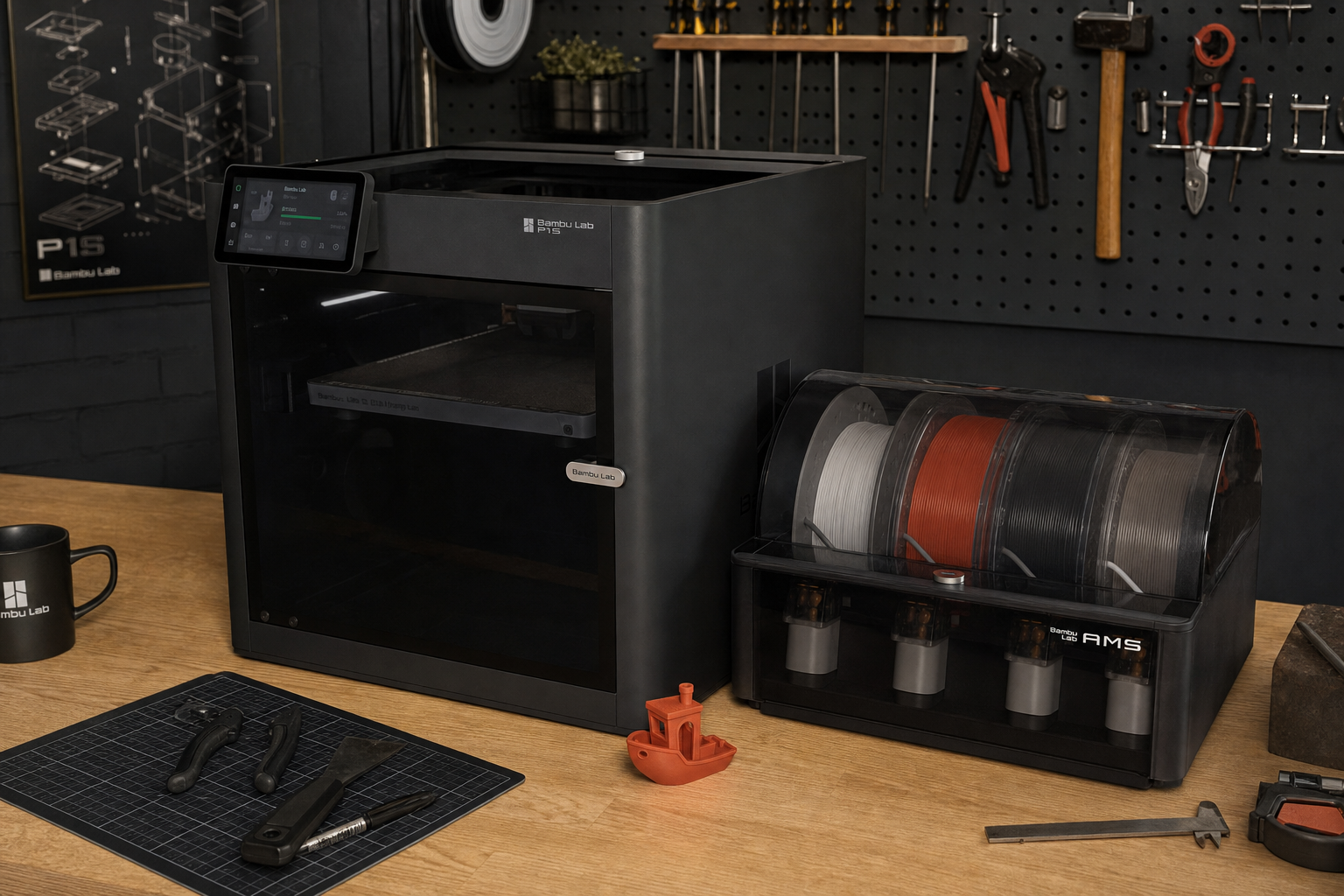
Bottom line
If you want a simple takeaway from this Bambu Lab P1S Combo 3D Printer review, it is this: buy it for reduced friction, not for bragging rights. The enclosure and automation are the real argument, and they matter most when you print often enough to notice the difference.
If that matches your habits, the P1S Combo looks like a sensible buy for faster, cleaner everyday printing. If you print only occasionally or are trying to minimize entry cost, it is probably more than you need.
FAQ
Is the Bambu Lab P1S Combo worth it for beginners?
It can be, but mainly for beginners who already know they want an enclosed printer and expect to print often. If your bigger priority is keeping entry cost low while learning, the P1S Combo is easier to overbuy.
What is the difference between the Bambu Lab P1S and P1S Combo?
The decision point is the Combo configuration and its AMS-related value. If that added automation and filament-handling convenience matches how you plan to print, the Combo may be worth it. If not, the base P1S is likely the more rational comparison point.
Is the P1S Combo good for PLA and PETG?
PLA and PETG are part of the intended discussion around this model, and the P1S Combo is positioned as a strong fit for everyday printing. For exact material guidance and official supported-material details, buyers should confirm current manufacturer documentation before purchasing.
Can the Bambu Lab P1S Combo print ABS or ASA well?
The enclosure is one reason buyers consider this model for ABS and ASA suitability. That said, exact material recommendations, ventilation guidance, and safety practices should be verified directly from Bambu Lab documentation rather than assumed.
Is the P1S Combo too expensive for occasional printing?
For many occasional users, yes. The supplied brief specifically flags this as a poor fit if you only print occasionally and want the lowest possible entry cost.
What are the main pros and cons of the Bambu Lab P1S Combo?
The biggest upside is lower setup friction through enclosure and automation, especially for frequent use. The main drawbacks are higher cost and proprietary ecosystem tradeoffs.
How much setup and maintenance does the P1S Combo need?
The main supported takeaway is that automation is part of the value story and should reduce friction versus simpler alternatives. For exact setup steps and maintenance procedures, buyers should check Bambu Lab’s official documentation.
Is the Bambu Lab ecosystem too proprietary for some buyers?
Yes, that is one of the main tradeoffs identified in the brief. Buyers who strongly prefer open, flexible ecosystems should weigh that concern carefully before choosing the P1S Combo.
Who should buy the P1S Combo instead of the A1 Combo?
Buyers who specifically want an enclosed printer for faster, cleaner everyday printing are the clearer fit for the P1S Combo. If enclosure is not a priority and you want a lighter-cost entry into the brand, an A1-series alternative may be the more sensible path.
Is an enclosed 3D printer better for everyday home printing?
It can be better for buyers who value a more contained, convenience-focused setup and print frequently enough to benefit from it. It is not automatically better for everyone, especially if your main goal is keeping cost down or printing only occasionally.