Skip to content
If you are considering the DEWALT 20V MAX XR 3/8-inch and 1/2-inch Sealed Head Ratchet, the main question is not whether powered ratchets are useful. It is whether this particular tool fits the kind of work you actually do. For automotive users working in tight engine-bay spaces, that distinction matters more than any headline claim.
This RESEARCH-BASED REVIEW centers on the buyer decision most pages miss: the DCF510B makes the most sense as a speed-and-access tool for repetitive fasteners, not as a replacement for an impact wrench, breaker bar, or high-torque removal tool.
Quick Answer
Research summary
The DEWALT DCF510B looks most compelling for buyers who already understand what a cordless ratchet does well: speeding up run-down and removal of already-broken-loose fasteners in cramped spaces. Its strongest appeal is the combination of a slim sealed-head ratchet format with DEWALT 20V MAX battery compatibility and both 3/8-inch and 1/2-inch drive setup.
The biggest trade-off is just as important: this is not the right tool if your real need is high breakaway force on rusted or seized bolts. If that is the job, a compact impact or high-torque impact is the better category to shop.
The Product Shortlist may earn a commission from qualifying purchases. This does not affect our verdict.
What this ratchet is really for
The DCF510B is best understood as a workflow tool. In under-hood work, there are plenty of jobs where fasteners are not massively tight, but access is awkward and repetition is the real annoyance. That is where a cordless sealed head ratchet can make sense.
Based on the verified topic and SEO brief, the value case here is straightforward: a slim powered ratchet can help you move faster in places where a bulkier tool may be less convenient, and where a manual ratchet gets tedious over repeated turns. That makes it a better fit for maintenance and repair workflows than for heavy stuck-fastener removal.
Just as important, this tool should not be judged by the same standard as an impact wrench. If you buy it expecting impact-style removal power, you are likely shopping the wrong category.
Main strength: speed and access
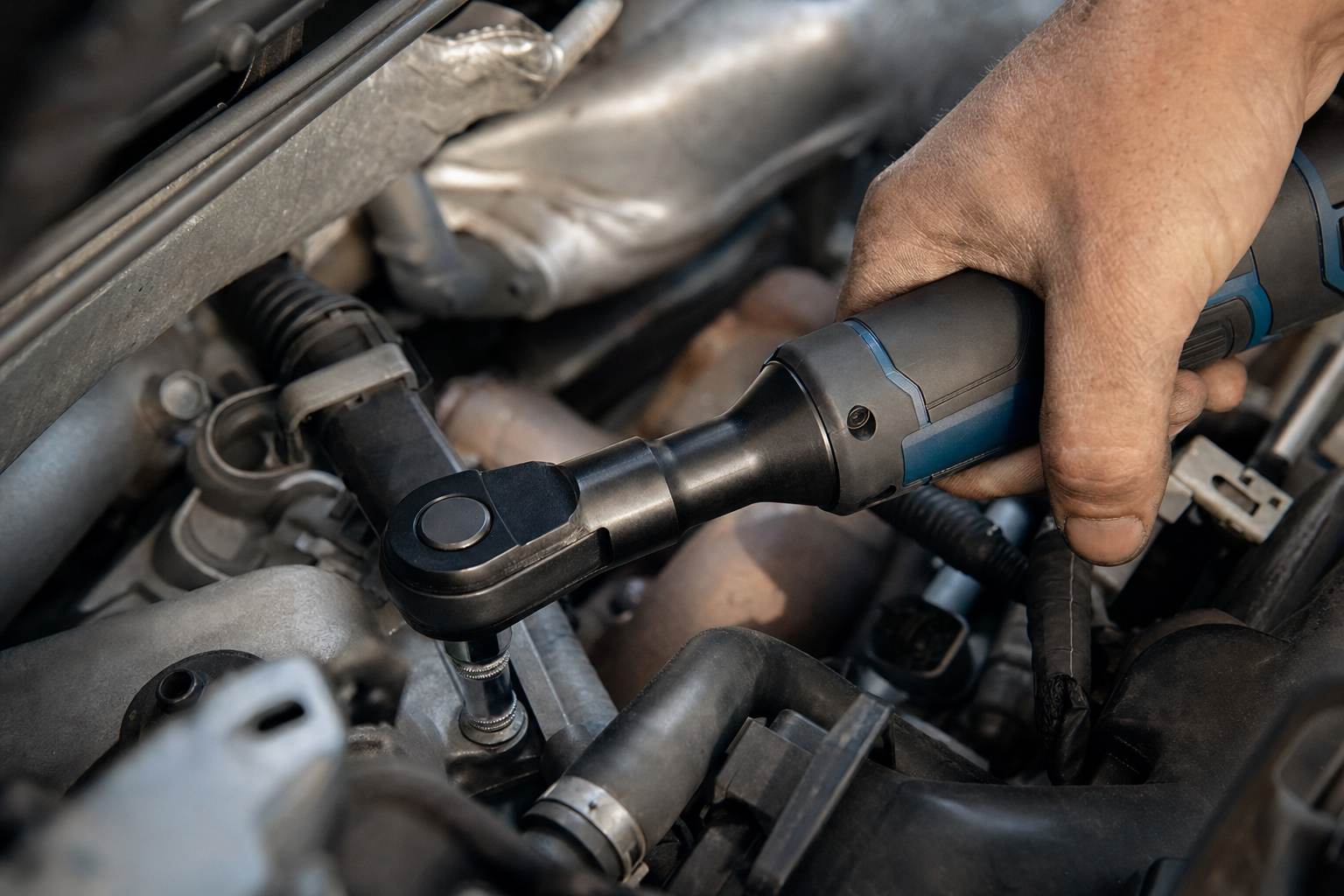
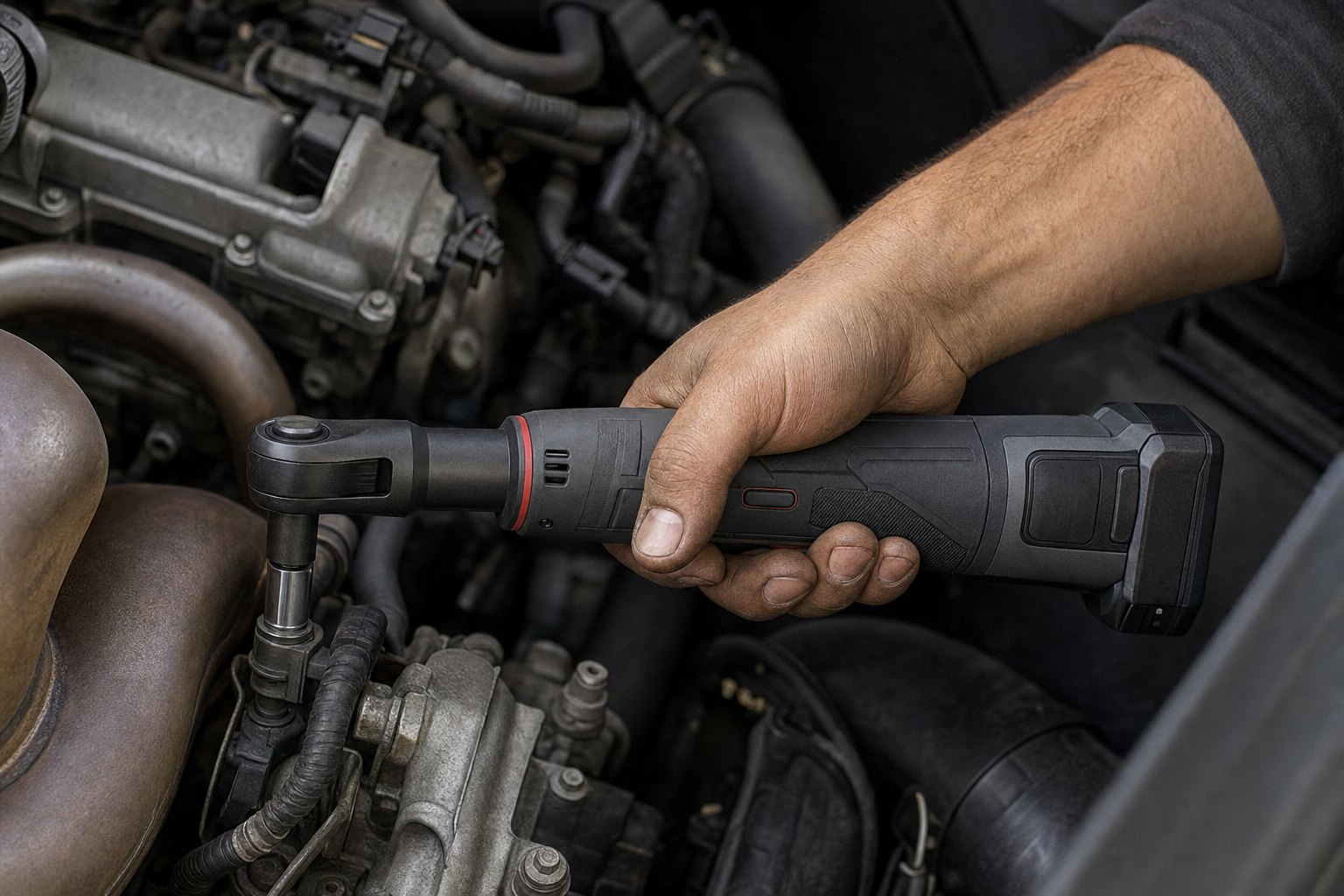
The strongest reason to consider this DEWALT 20V MAX XR 3/8-inch and 1/2-inch Sealed Head Ratchet review-worthy is simple: it appears aimed at a real problem automotive users have every day. Tight engine-bay access and repetitive wrenching are frustrating, and a low-profile powered ratchet is meant to reduce that friction.
Several aspects matter in that use case:
- Sealed head design: In automotive environments, grime exposure is normal. A sealed-head format is relevant because buyers in this category often care about durability expectations around dirty work areas.
- 3/8-inch and 1/2-inch drive setup: That gives the buyer more flexibility in socket workflow without changing tool categories.
- 20V MAX platform fit: If you already own DEWALT 20V MAX batteries, the bare-tool format is easier to justify than starting from scratch on a new battery system.
Those points do not prove universal superiority. They do make the DCF510B easier to understand: it is about convenience, access, and saving time on repetitive fastening tasks.
Main limitation: not a stuck-fastener tool
This is the part many generic product pages blur. A powered ratchet is not the same thing as an impact wrench, and it is not a substitute for a breaker bar when a fastener is seized.
That is also the clearest answer to the common ‘is DEWALT 20V MAX XR 3/8-inch and 1/2-inch Sealed Head Ratchet worth it’ question. It can be worth it if your bottleneck is repetitive wrenching in confined spaces. It is much harder to justify if your main pain point is breaking loose heavily stuck hardware.
For buyers who routinely deal with seized bolts, suspension hardware, or stubborn lug-adjacent work, the more realistic move is to shop an impact wrench first. If you are already in the DEWALT ecosystem, our DEWALT 20V MAX XR 1/2-inch High Torque Impact Wrench Kit review is the more relevant starting point for that kind of job.
Who it makes sense for
The best fit is fairly narrow, but clear.
- Automotive users working fasteners in tight engine-bay spaces
- Buyers who want a cordless ratchet mainly for speeding up repetitive fastener work
- People who already understand they may still need to break a fastener loose manually first
- Existing DEWALT 20V MAX owners who can make better use of a bare tool
If that describes you, the DCF510B has a sensible use case. It fills the gap between a manual ratchet and a more force-focused impact tool. That does not make it a one-tool solution. It makes it a specialist tool that can improve workflow when used for the right jobs.
Who should skip it
You should probably skip this ratchet if any of these points describe your situation:
- You need impact-wrench torque more than ratchet convenience
- Your typical work involves seized, rusted, or high-breakaway fasteners
- You are hoping it will fully replace a breaker bar or compact impact
- You do not already own DEWALT 20V MAX batteries and are unsure whether a dedicated cordless ratchet is your first priority
In those cases, the category fit is weak. The tool may still be good at its intended job, but that intended job may not be yours.
Bare tool and DEWALT battery-platform fit
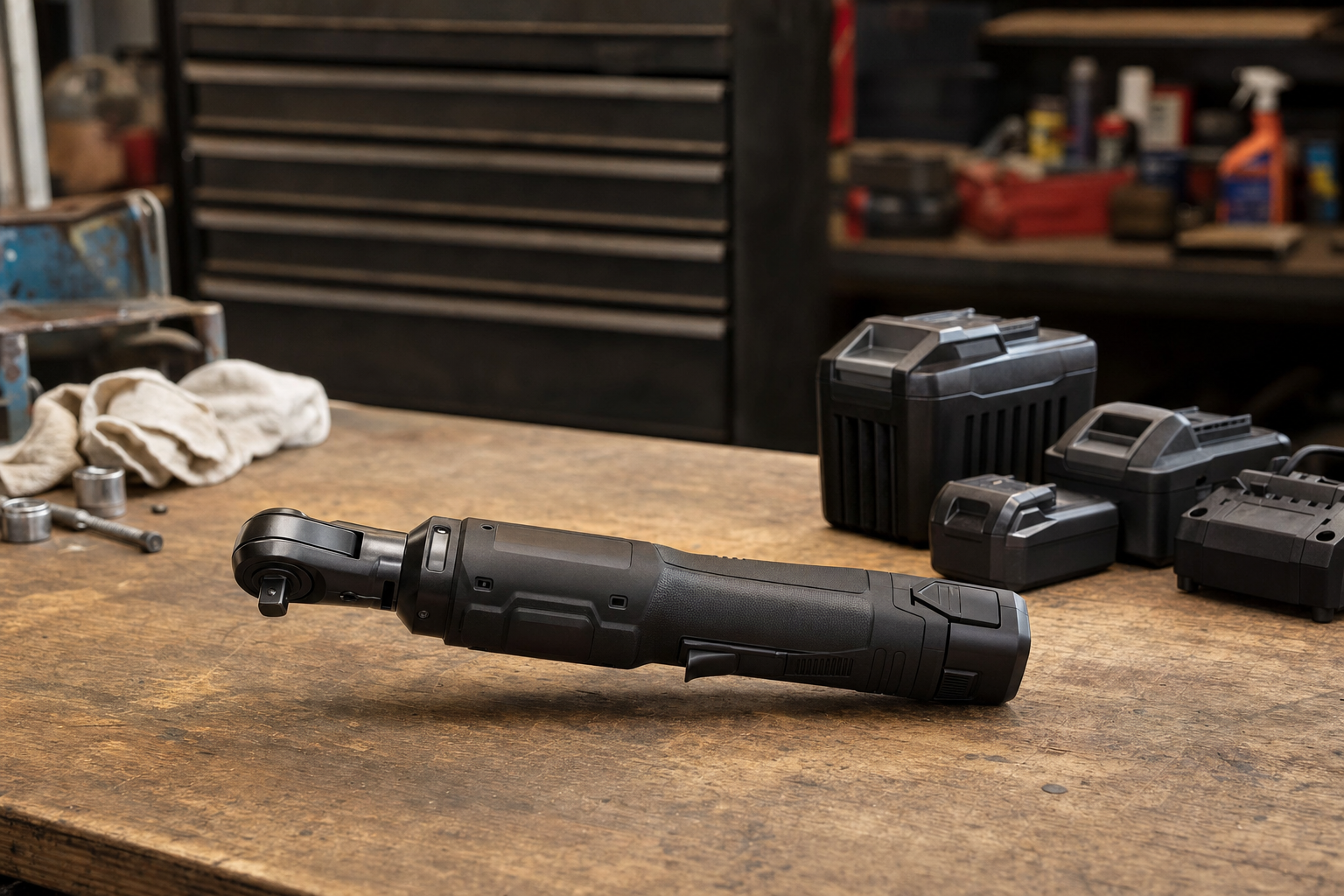
The DCF510B model is a bare tool, which matters for value. If you already own DEWALT 20V MAX batteries, that can make this purchase easier to justify because you are adding a specialized tool to an existing system instead of paying to enter a new one.
If you do not already have DEWALT 20V MAX batteries, your buying decision gets more complicated. In that case, it is worth stepping back and asking whether a cordless ratchet should be your next purchase at all, or whether a more general-use tool would solve more of your current jobs. Buyers building out a DEWALT kit from scratch may want to compare that logic with our DEWALT 20V MAX Brushless Drill/Impact Driver Combo Kit review.
Bottom line
In plain terms, the DEWALT DCF510B looks most appealing as a convenience-and-access upgrade for automotive users who spend time on repetitive fasteners in cramped spaces. That is the right lens for this DEWALT 20V MAX XR 3/8-inch and 1/2-inch Sealed Head Ratchet review.
If your expectation is faster workflow with a slim cordless ratchet head, it makes sense to keep it on your shortlist. If your expectation is serious stuck-fastener removal, it is the wrong tool category.
FAQ
Is the DEWALT DCF510B worth it for automotive work?
It can be, especially for automotive users working in tight engine-bay spaces where repetitive fastener work is the main annoyance. It makes less sense if your priority is removing seized or heavily rusted hardware.
What is the DEWALT 20V MAX XR sealed head ratchet best for?
Its best fit is speeding up repetitive wrenching where access is limited. The strongest buyer case is convenience and workflow efficiency, not maximum removal force.
Can the DCF510B remove seized or rusted bolts?
This is not the tool to buy mainly for seized or rusted bolts. A powered ratchet should not be treated as a substitute for a breaker bar or impact wrench in that kind of work.
Does this DEWALT ratchet replace an impact wrench?
No. The key difference is job type. A cordless ratchet is mainly about speed and access on repetitive fasteners, while an impact wrench is the better fit when higher breakaway force is the real need.
What is the difference between the 3/8-inch and 1/2-inch drive setup on the DCF510B?
The appeal is flexibility. The DCF510B is positioned around both 3/8-inch and 1/2-inch drive setup so buyers can match the tool to different socket workflows without changing to a completely different category of tool.
Should I buy the bare tool if I already own DEWALT 20V MAX batteries?
If you already own DEWALT 20V MAX batteries, the bare-tool format is easier to justify because you are adding a specialized ratchet to an existing platform. If you do not own that battery system yet, the value case depends more on how often you will use a cordless ratchet specifically.