Skip to content
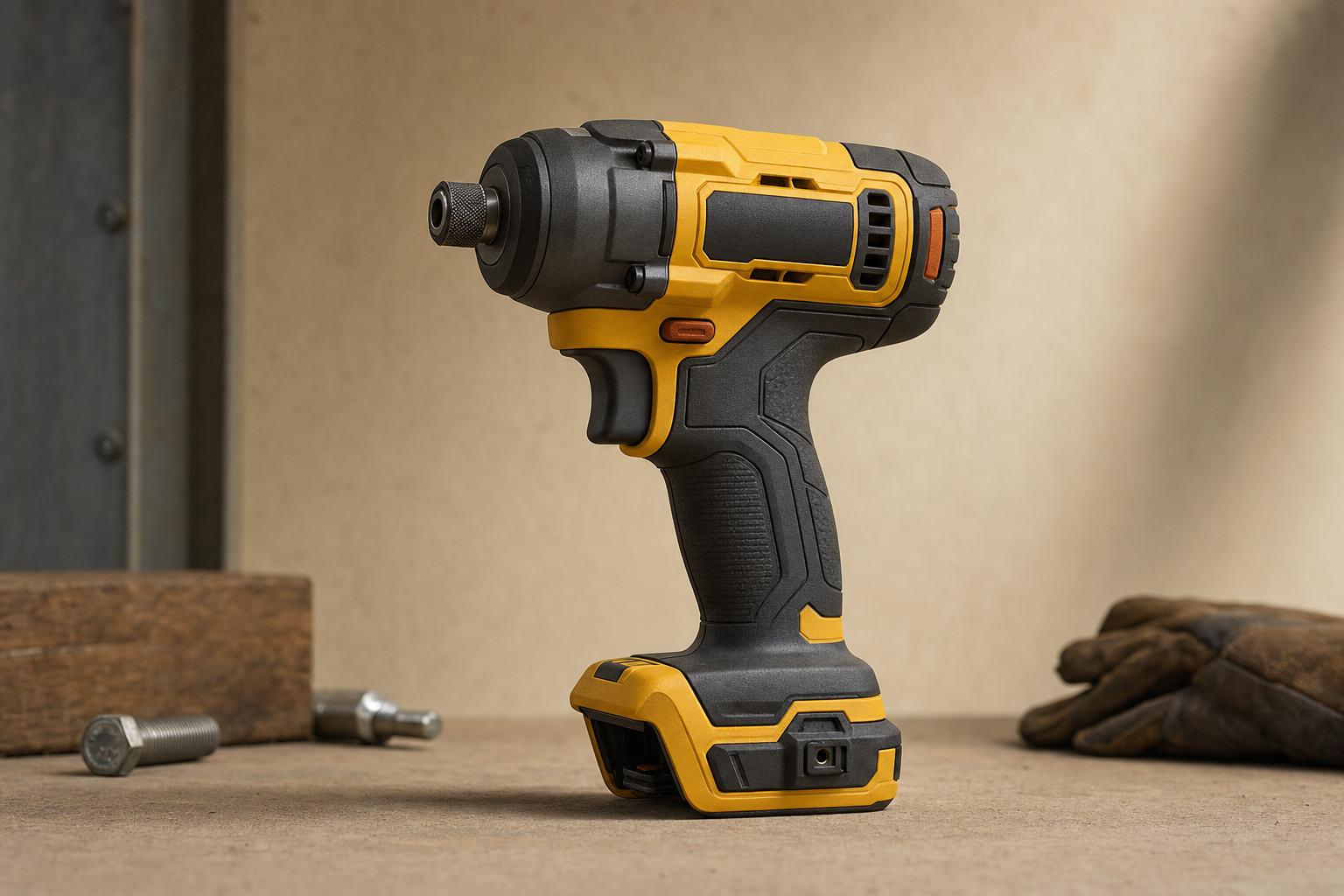
If you are considering the DEWALT ATOMIC 20V MAX Hydraulic Impact Driver, the key question is not whether it is an impact driver at all. It is whether the smoother, more compact hydraulic-style approach fits your actual work better than a conventional compact impact driver.
For carpenters and DIYers, that trade-off matters. A tool like this can make repeated fastening feel less harsh and easier to control, but the downside is straightforward: if your jobs regularly push into the heaviest structural fasteners or you are expecting impact-wrench-like output, this is not the right thing to buy. This is a RESEARCH-BASED REVIEW, so the guidance below stays focused on verified fit and practical buying logic rather than invented testing claims.
Quick Answer
Research summary
The DEWALT ATOMIC 20V MAX Hydraulic Impact Driver DCF870B looks most appealing for buyers who want a compact fastener driver with less harshness than a typical impact driver. Its clearest advantage is the compact hydraulic-style design. Its clearest trade-off is lower peak torque than full-size high-torque impact tools.
That makes it a sensible fit for carpenters, interior work, and DIY users who care about control and a smoother feel more than headline torque. It makes less sense if your priority is maximum force for the toughest lag-bolt or lug-nut-type jobs.
The Product Shortlist may earn a commission from qualifying purchases. This does not affect our verdict.
What this tool is really buying you
The main reason to look at the DCF870B is not just brand loyalty or battery compatibility. It is the promise of a compact hydraulic impact driver that should feel less abrupt than a standard impact design. In plain language, this category is usually chosen by people who want fastening to feel smoother and less harsh in the hand, especially when working repeatedly in finished spaces, overhead, or one-handed.
That is an important distinction because many tool pages flatten everything into torque talk. For a buyer deciding whether the DEWALT ATOMIC 20V MAX Hydraulic Impact Driver is worth it, the better question is how often you benefit from improved control and reduced harshness versus how often you truly need the highest-output driver you can get.
If your work leans toward cabinetry, interior punch-list jobs, general carpentry, or everyday screw driving on the DEWALT 20V MAX platform, the DCF870B makes conceptual sense. If your work often involves the toughest structural fastening, large lags, or tasks people wrongly try to do with an impact driver instead of an impact wrench, the trade-off becomes harder to justify.
Where the DCF870B makes the most sense
Best fit
- Carpenters who want a compact driver for repeated fastening
- DIYers already on the DEWALT 20V MAX battery platform
- Buyers who care more about smoother feel and control than maximum output
- Interior work where reduced harshness may matter more than raw force
- Anyone deciding between a standard compact impact driver and a hydraulic-style model for general fastening
Who should skip it
- Anyone specifically shopping for maximum lug-nut torque
- Buyers who regularly drive the largest structural fasteners and want the strongest tool in the category
- People who actually need an impact wrench rather than an impact driver
- Shoppers expecting a hydraulic-style driver to beat larger high-torque tools on peak force
Pros and cons
| Pros | Cons |
|---|---|
| Compact hydraulic-style design is the standout reason to consider it | Lower peak torque than full-size high-torque impact tools |
| Appears well aligned with buyers who want less harshness during repeated fastening | Not the right choice if your jobs revolve around the toughest heavy-fastener tasks |
| Good fit for carpenters and DIYers wanting a compact fastener driver | Easy to overbuy or misbuy if you really need an impact wrench |
| Likely strongest as a task-fit tool rather than a headline-spec tool | Evidence is limited here without direct manual and product-page verification of finer details |
Hydraulic impact driver vs regular impact driver
This is where many reviews stay too vague. The practical case for a hydraulic impact driver is usually about feel, control, and harshness rather than pure top-end force. That aligns with the DCF870B’s core appeal as described in the available facts.
In buyer terms, a regular compact impact driver may be the simpler choice if you want the most familiar performance profile and care less about smoothness. A hydraulic-style tool makes more sense when repeated fastening comfort and control are part of the job. That does not automatically make it better overall. It just makes it better for a narrower, more specific kind of buyer.
It also matters to keep categories straight. An impact driver is for driving screws and similar fasteners. If you are thinking about lug nuts or jobs that demand maximum torque, that points away from this tool and toward an impact wrench instead.
Platform fit and lineup context
If you are already buying into compact DEWALT tools, the DCF870B may appeal for the same reason many shoppers look at the ATOMIC lineup in the first place: smaller, easier-to-handle tools for common jobsite and home-use tasks. If that is your preference, our DEWALT ATOMIC 20V MAX 4-1/2-inch Circular Saw review covers another compact tool aimed at a similar buyer mindset.
That said, platform comfort should not override job fit. Compact tools are appealing because they are easier to manage, but there is always a ceiling. For this driver, the known ceiling is lower peak torque versus bigger high-torque tools. If your work keeps pushing that ceiling, size and smoothness stop being the main story.
Bottom line
If your priority is a compact fastening tool that should feel less harsh than a typical impact driver, the DEWALT ATOMIC 20V MAX Hydraulic Impact Driver is easy to understand. That is its best argument. If your priority is maximum force, it is easier to rule out.
So, is the DEWALT ATOMIC 20V MAX Hydraulic Impact Driver worth it? For carpenters and DIYers who value compact size, control, and a smoother hydraulic-style feel, potentially yes. For buyers who measure value mostly in peak torque or expect it to cover impact-wrench territory, probably not.
Because the available evidence set here does not fully verify finer spec details, the safest conclusion is simple: buy it for the compact hydraulic-style experience, not as an all-jobs power answer.
FAQ
Is the DEWALT ATOMIC 20V MAX Hydraulic Impact Driver worth it?
It can be, if you want a compact impact driver and the main appeal is a hydraulic-style design that should feel less harsh than a standard impact driver. It is a weaker fit if you mainly want the highest possible torque.
What is the difference between a hydraulic impact driver and a regular impact driver?
The practical difference is usually about feel rather than just force. A hydraulic-style impact driver is generally chosen for smoother, less harsh fastening behavior, while a regular impact driver is often the default choice for buyers focused less on refinement and more on a conventional impact-driving feel.
Is the DEWALT DCF870B powerful enough for structural screws and lag bolts?
The available evidence here does not support a precise performance claim for specific fastener sizes. What we can say is that its known trade-off is lower peak torque than full-size high-torque impact tools, so buyers with frequent heavy structural fastening needs should be cautious.
Is the DCF870B good for carpenters and cabinet installers?
It appears best suited to carpenters and DIYers who want a compact fastener driver and may value smoother control in repeated fastening. That makes it easier to justify for interior and finish-oriented work than for the heaviest structural jobs.
Does the DCF870B use standard DEWALT 20V MAX batteries?
This review’s source set suggests the tool sits in the DEWALT 20V MAX family, but the specific compatibility claim should be confirmed on DEWALT’s official product documentation before purchase.
Who should skip the DEWALT ATOMIC 20V MAX Hydraulic Impact Driver?
Skip it if you specifically need maximum lug-nut torque, regularly drive the toughest heavy fasteners, or actually need an impact wrench instead of an impact driver.