Skip to content
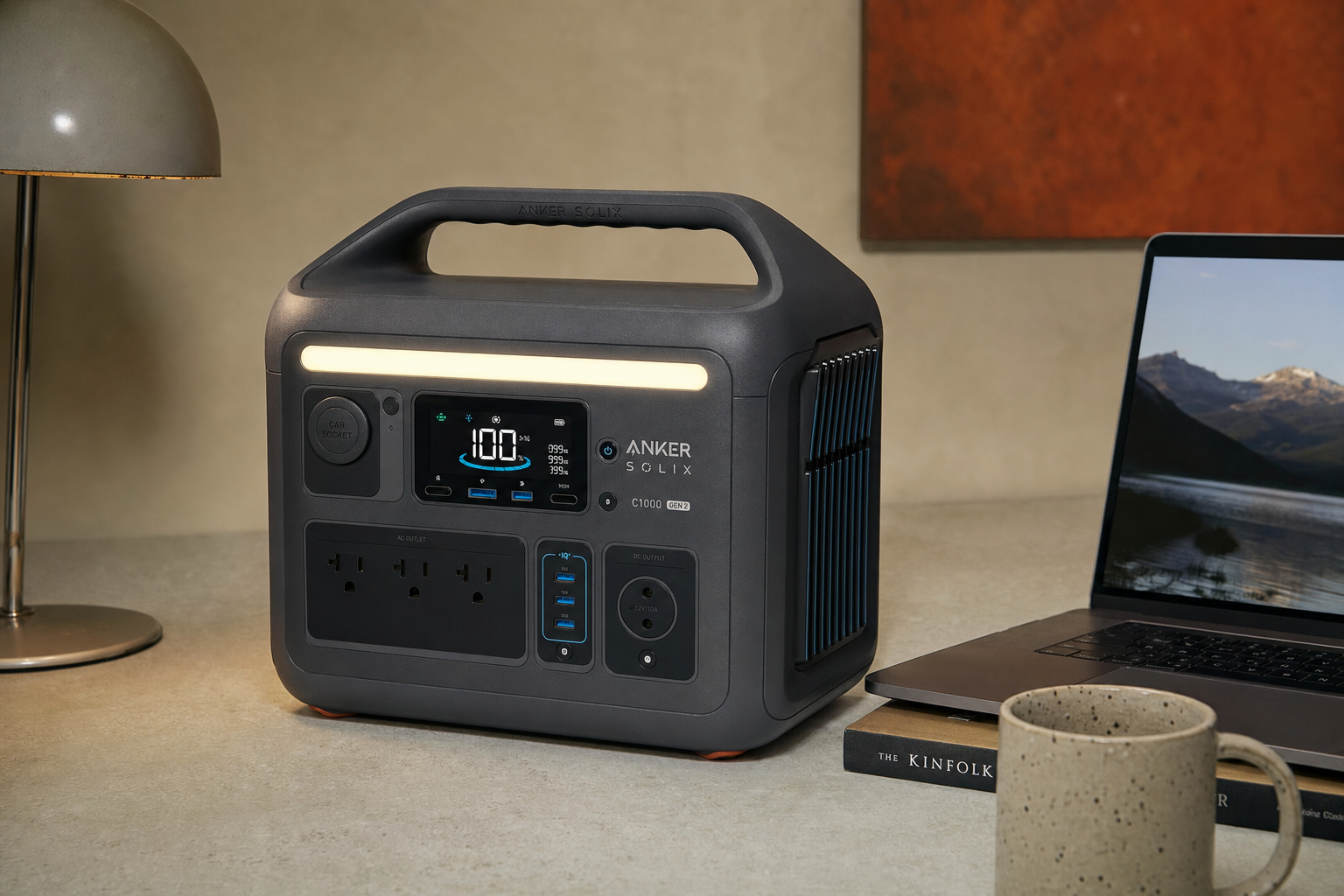
 If you’re considering the Anker SOLIX C1000 Gen 2 Portable Power Station, the real question is not whether portable power is useful. It is whether this kind of premium portable backup solves a problem you actually have often enough to justify the extra spend.
Based on the available information, this RESEARCH-BASED REVIEW points to a clear buyer profile: people who care most about fast recharge and higher-output portable backup. If that sounds like you, this model is easier to justify. If you mostly want occasional emergency charging for small devices, a simpler backup option may make more sense.
Quick Answer
Research summary
The Anker SOLIX C1000 Gen 2 Portable Power Station looks most compelling for buyers who want less downtime between uses and stronger AC-powered flexibility than a basic battery backup typically offers. Its clearest appeal is fast charging. Its clearest drawback is the usual one for this category: premium battery systems generally cost more than basic backup solutions.
That makes it a better fit for frequent outage prep, mobile work setups, camping power, or other situations where recharge speed and stronger AC output matter in real life. If you rarely need AC power away from an outlet, this is probably more product than you need.
The Product Shortlist may earn a commission from qualifying purchases. This does not affect our verdict.
What this power station is really for
A portable power station in this class is usually about running more than phones and small USB gadgets. Buyers typically look at a product like this when they want a more capable backup option for temporary AC use during outages, on the road, at a campsite, or in a garage or work area away from fixed power.
The buying consequence is simple: if your use case regularly involves wall-style plugs, portable appliances, or a need to get the unit ready again quickly after use, a 1000-class portable power station is a more serious tool than a basic battery bank. If your needs are lighter, the extra cost and bulk can be hard to justify.
We are intentionally not making runtime or appliance-specific promises here because those claims depend on verified capacity, inverter output, and real device draw data that should be checked against official documentation before treating them as purchase facts.
The main reason to consider it
The strongest reason to buy the Anker SOLIX C1000 Gen 2 is the one that actually changes ownership experience: fast charging reduces downtime between uses.
That matters more than many spec tables suggest. A portable power station is most frustrating when it is useful in theory but unavailable in practice because recharging takes too long after an outage, road trip stop, or weekend use. Faster recharge can make the difference between a product that feels ready and one that feels like a project.
For some buyers, that is worth paying for. The most obvious examples are:
- People preparing for repeated short outages rather than rare all-day emergencies
- Users who want to recharge between trips, work sessions, or overnight windows
- Buyers who expect to use AC-powered devices often enough that turnaround time matters
- Anyone comparing this against a cheaper backup option that may be slower and more limited
In other words, fast recharge is not just a nice spec. It is one of the few features that can improve day-to-day convenience every time the product gets used.
The trade-off most buyers should think about first
The main downside is less exciting but just as important: premium battery systems cost more than basic backup solutions.
That does not automatically make this a poor value. It just means the value depends on how often you will actually use its stronger portable backup profile. If you only want occasional phone charging or a just-in-case power source that may sit unused for long stretches, cheaper options can look smarter.
That is especially true if your real need is not portable AC power, but simple desktop protection for electronics during brief interruptions. In that case, a traditional UPS can be the more direct fit. If that is the comparison you are making, our APC Back-UPS Pro 1500VA UPS review may help clarify the difference in buyer intent.
The short version: the Anker makes more sense when portability and recharge speed are central, not incidental.
Who it makes sense for
This model looks most sensible for buyers in a fairly specific lane:
- Home backup shoppers who want a portable option for temporary outage use and care about getting it recharged quickly afterward
- Camping or RV users who need more than a small battery bank and want a unit that can support a wider range of typical plug-in use cases
- Mobile workers and creators who may need AC access away from outlets and do not want long recharge delays between sessions
- Preparedness-minded buyers who expect repeated use and see faster recharge as a practical advantage, not a marketing extra
If you fall into one of those groups, the Anker SOLIX C1000 Gen 2 Portable Power Station review question becomes less about raw specs and more about usage pattern. Frequent use generally makes premium portable power easier to justify.
Who should skip it
You should probably pass if any of these describe you:
- You rarely need AC power away from an outlet
- Your backup needs are mostly limited to phones, tablets, and other low-demand charging
- You are shopping mainly on upfront price and do not expect frequent use
- You actually need a dedicated desk-side UPS-style solution more than a portable power station
In those cases, paying extra for a more capable portable battery system can be unnecessary. Better on-paper versatility is not always better value.
Portable power station vs UPS: the more useful comparison
One of the most helpful ways to judge this product is to stop comparing it with tiny power banks and compare it with the alternative many buyers are quietly considering: a UPS.
A UPS is usually the more obvious answer when your goal is brief interruption coverage for a workstation, router, or similar electronics near a wall outlet. A portable power station is usually the more flexible answer when you want backup power that can move with you and serve more varied situations.
That does not mean they are interchangeable. It means the better buy depends on the problem:
| Need | Better fit | Why |
|---|---|---|
| Stationary protection for electronics during short power interruptions | UPS | More direct solution if portability is not important |
| Portable backup for outages, travel, garage use, or campsite use | Portable power station | More flexible when you need power away from a fixed setup |
| Fast turnaround between uses | Portable power station like this one | Fast recharge is part of the core value proposition here |
| Lowest-cost basic backup | Depends on use case | Premium portable systems are not usually the budget-first choice |
This is why the Anker SOLIX C1000 Gen 2 will not be for everyone. It is easier to justify when you want a portable backup tool first and a desk-bound battery solution second.
Bottom line
The Anker SOLIX C1000 Gen 2 Portable Power Station appears to make the most sense for buyers who will actually benefit from fast recharge and higher-output portable backup. That is the center of the case for buying it.
The main caution is equally straightforward: if your needs are light or infrequent, premium portable power can be overkill. In that situation, a simpler and cheaper backup option may be the smarter purchase.
If your shortlist already includes this model, the key question is not ‘is portable power useful?’ It is ‘will faster recharge and stronger AC flexibility save me enough friction to justify the premium?’ For the right buyer, the answer can be yes.
FAQ
Is the Anker SOLIX C1000 Gen 2 Portable Power Station worth it?
It looks worth considering if you specifically want fast recharge and a more capable portable AC backup option than a basic battery solution. If you rarely need AC power away from an outlet, it is harder to justify.
What is the main advantage of the Anker SOLIX C1000 Gen 2 over basic battery backups?
Based on the supplied evidence, the main advantage is faster charging combined with a higher-output portable backup position. In practical terms, that means less downtime between uses and potentially more flexibility for AC-powered scenarios.
How fast does the Anker SOLIX C1000 Gen 2 recharge?
The available evidence supports fast recharge as a core strength, but it does not include a verified recharge time figure. Before buying on that point alone, check official Anker documentation or the product manual for the exact claim.
What appliances can the Anker SOLIX C1000 Gen 2 realistically power?
That depends on verified output ratings and the actual watt draw of your devices. We are not making appliance-specific promises here because those details were not provided in the source facts. Official product documentation is the right place to confirm compatibility.
Is the Anker SOLIX C1000 Gen 2 good for home backup during outages?
Potentially, yes, especially for buyers who value portable backup and quick recharging after use. But the exact fit depends on what devices you want to support and for how long, which should be verified through official specifications.
Is the Anker SOLIX C1000 Gen 2 good for camping or RV use?
It appears aligned with that kind of buyer, particularly if you want stronger portable backup than a small battery bank can provide. As always, final suitability depends on your device mix, expected runtime, and tolerance for size and weight.
Does the Anker SOLIX C1000 Gen 2 support solar charging?
Solar charging is a common consideration in this category, but support should be confirmed through official Anker materials before treating it as a buying fact for this model.
How does a portable power station like the Anker SOLIX C1000 Gen 2 compare with a UPS?
A UPS is usually the better fit for stationary short-interruption protection near a desk or network setup. A portable power station is generally the better fit when you want backup power that can move between outage, travel, garage, or outdoor use cases.
Who should skip the Anker SOLIX C1000 Gen 2?
Buyers who rarely need AC power away from an outlet, mostly charge small devices, or want the cheapest basic backup option should probably look elsewhere.